Sheriff Says He Knows Motive in Nancy Guthrie Kidnapping

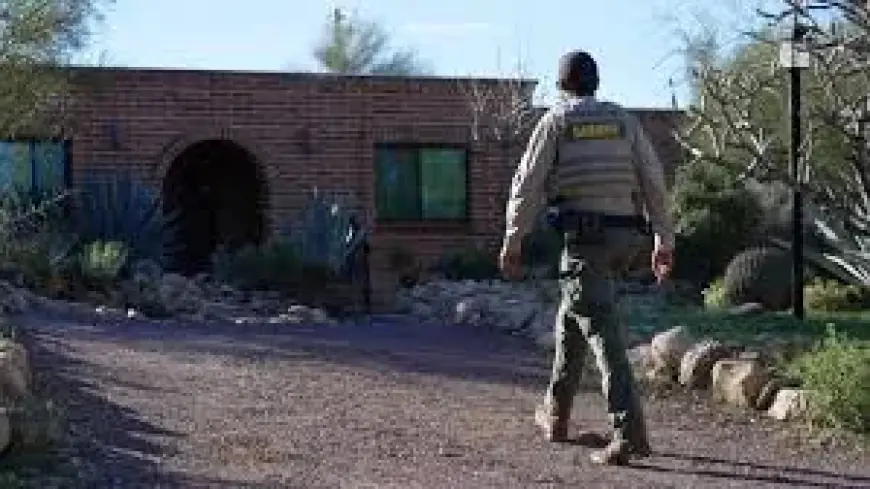
Pima County Sheriff Chris Nanos said investigators believe they know the motive for the kidnapping of nancy guthrie, 84, who was taken from her Tucson home on 1 February, though authorities have not identified a suspect. That assertion, tied to DNA evidence and ransom notes recovered during a nationwide search and combined with Savannah Guthrie's public appeals and a $1m reward, narrows the inquiry while leaving critical questions unresolved.
Pima County Sheriff Chris Nanos
Chris Nanos told investigators "we believe we know why he did this" and described the case as one they "believe it was targeted, " while also saying they were "not 100% sure" of that assessment. Nanos declined to elaborate on the suspected motive to avoid compromising the investigation. The pattern suggests investigators have developed a working theory that links material evidence to intent, yet they lack the corroboration required to name or charge a suspect without risking the probe.
Nancy Guthrie doorbell image
Officials have only a limited visual: a masked man captured on the doorbell camera outside nancy guthrie's home. Investigators have also disclosed DNA evidence and ransom notes found during a nationwide search; those materials are the clearest leads publicly described so far. The figures point to a case where physical and forensic traces, rather than clear facial recognition, are likely to drive identification efforts going forward.
Savannah Guthrie $1m reward
Savannah Guthrie has posted multiple videos making direct appeals to her mother's captor and is offering $1m for information that leads to her return. In one video she warned, "She may be lost, she may already be gone, " underscoring the family's urgency. Law enforcement has pursued and cleared several lines of inquiry: a California man arrested on suspicion of sending fake ransom notes faces federal charges but does not appear involved in Nancy's disappearance, and a delivery man briefly detained was released after questioning. Those developments illustrate that public appeals and a large reward can generate tips but also false leads that consume investigative resources.
Sheriff Nanos has warned that the unknown suspect who kidnapped Guthrie could strike again, saying there was "absolutely" a chance of further incidents and urging residents in the Catalina Foothills neighbourhood to keep their wits about them. That warning, paired with the targeted assessment, implies investigators view the event as potentially part of a narrower pattern or motive rather than a random act. Yet Nanos' refusal to detail the suspected motive preserves investigatory options while continuing to prioritize public caution.
Detainments so far have not produced the perpetrator: arrests and detainments have occurred but have not identified the actual suspect in Nancy Guthrie's disappearance. The probe relies on a mix of forensic clues and documentary evidence—DNA results and ransom notes—that officials have highlighted publicly. The investigative balance appears to be between protecting the integrity of active forensic work and using public pressure, including a $1m reward, to surface actionable leads.
What remains open is whether investigators will identify and arrest a suspect in the kidnapping of Nancy Guthrie. If the DNA evidence can be matched to a named individual, the data suggests authorities could move from a working theory of motive to an arrest and prosecution; until that link is publicly confirmed, the core question of who abducted her and why remains unresolved.