Ryan Clark and the White House’s Wii Sports Iran video backlash

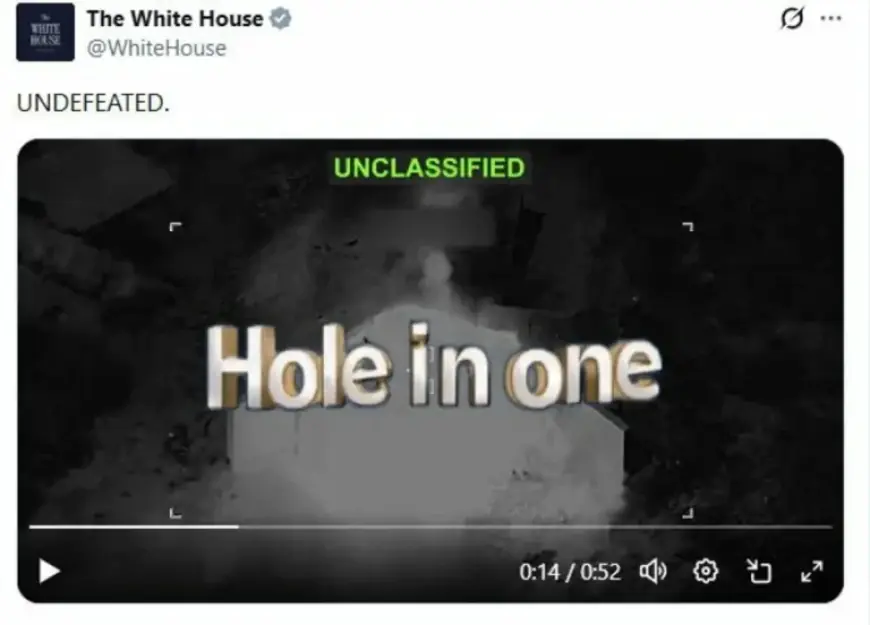
ryan clark enters a news cycle now dominated by a White House social-media post that fused Nintendo-style gameplay imagery with real-world violence. On Thursday, the White House posted a roughly 50-second mash-up video on X that appeared to use footage from Wii Sports alongside footage of U. S. strikes on Iran, a pairing that triggered online fury over what viewers described as inappropriate imagery amid high casualties in the ongoing conflict.
The video’s rapid spread—more than 51 million views so far—shows how modern wartime messaging can be propelled less by formal briefings than by internet-native formatting. The pattern suggests the White House’s choice of game-like visuals was meant to frame military results as clean, decisive outcomes, but the backlash indicates that presentation can quickly become the story when the human stakes are widely understood.
White House X video details
The mash-up posted on X uses Wii Sports characters shown playing golf, tennis, boxing, and bowling, intercut with real-life footage of bombing Iranian military sites. One sequence flashes the words “Hole in one, ” while the post itself was published with the word “UNDEFEATED. ” The video opens with the text “Operation Epic Fury, ” a reference to a U. S. -led operation against Iran that the post described as launched on Feb. 28.
The edit blends gameplay moments—such as a character knocking down pins or dunking a ball—with airstrike footage showing attacks on Iranian vessels and ground facilities. The figures point to an attempt to translate complex military action into a familiar, fast-moving visual language. Yet, because the content also relies on footage of bombing, the juxtaposition turns the “sports simulation” framing into a provocation for audiences already sensitive to the conflict’s toll.
Nintendo Co. imagery sparks condemnation
Users on X condemned the post in blunt terms. One user called it “crazy, ” and others responded with “This isn’t a game. ” The immediate criticism centered on the collision of entertainment aesthetics with warfare, especially because the post appeared amid “high casualties” referenced in the context of the ongoing conflict. That reaction matters because it points to a credibility problem: when official messaging adopts ironic or gamified cues, it can be interpreted as minimizing real suffering rather than communicating operational outcomes.
Online fury also reflects how quickly audiences now police tone in public communications. The pattern suggests that the same meme-like tactics that can maximize reach can also compress nuance, leaving little room for a message to land as intended. Here, the criticism did not focus on military details of the strikes shown, but on the choice to package them with Wii Sports-style visuals and sports catchphrases.
ryan clark amid propaganda debate
The headlines driving attention to the episode frame it as a question of propaganda versus “the emerging Iran war reality, ” with the Wii Sports mash-up as the flashpoint. Within that debate, ryan clark becomes relevant as a marker of how quickly media narratives can widen beyond the original post into a broader conversation about tone, messaging, and legitimacy. The pattern suggests the video’s impact will be measured not only by its 51 million-plus views, but by whether the White House’s communications strategy is seen as sharpening public understanding or blurring it behind entertainment-coded visuals.
For now, the context leaves a specific question open: whether the White House will modify, remove, or further defend the X post that used Wii Sports-style imagery while referencing “Operation Epic Fury” and showing strikes on Iranian military sites. If the current reaction holds, the data suggests future messaging choices will be judged as much for their aesthetics as for the claims they aim to highlight.