Israeli Strikes on Tehran Point Toward Iranian Conflict Spreading Regionally

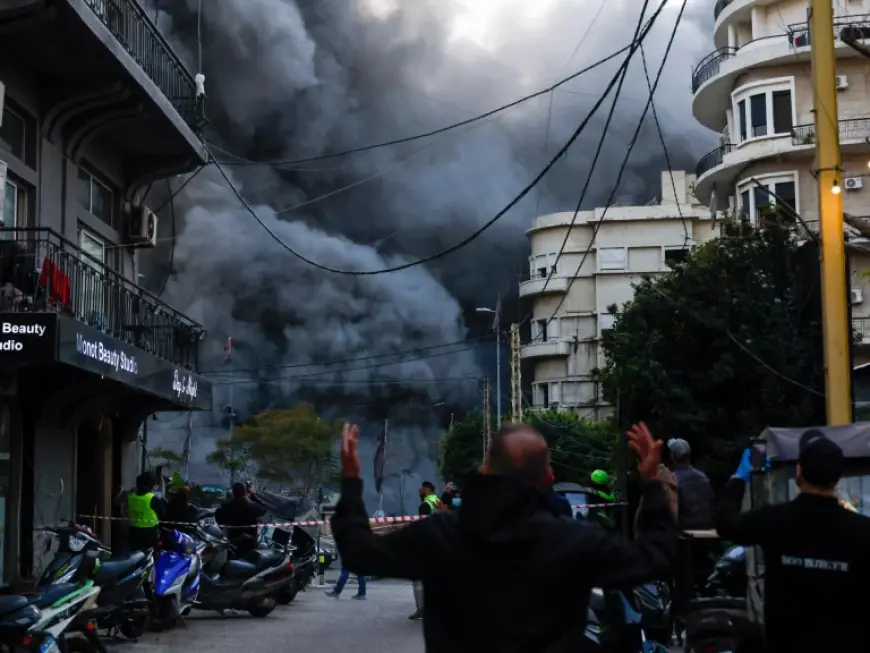
Israeli forces have launched new strikes on Tehran while Israeli operations in Lebanon killed dozens, including nine people in the village of Arki near Sidon. This cluster of events — battlefield strikes, civilian casualties in Arki, missile fragments photographed in Adana and two deaths in Oman from drone debris — signals an iranian conflict with clear regional spillovers.
Arki, Sidon and Israel’s strikes in Lebanon show rising civilian tolls
Lebanon has recorded heavy civilian harm: nine people were killed in an attack on the village of Arki, near Sidon, and five of those victims were children, the Lebanese Health Ministry listed. Injuries followed an Israeli air strike on a residential building in the eastern suburbs of Sidon, in the Al-Fouar area, and ambulance crews worked to transfer the injured to hospital. Israel’s Health Ministry also tallied at least 2, 975 people injured in the attacks since the US-Israel war on Iran started on February 28, reflecting a high casualty count tied to cross-border operations.
Iranian President Pezeshkian’s denial and arrests inside Iran point to internal strain
Iran’s President Pezeshkian said the missile fragments photographed in Turkiye were not fired from Iran and pledged an investigation. State security forces have detained four people accused of storing confidential information on their phones about missile impacts and bombings and sending it to a UK-based Farsi-language channel. State media described that channel as “hostile, anti-Iranian, ” and Iranian security authorities said the arrests relate to the handling of sensitive location data during the conflict.
Adolfo Franco’s assessment and missile debris in Turkiye and Oman suggest tactical shifts
Adolfo Franco, a US Republican strategist, said the US has achieved significant military success in Iran while noting the campaign could last longer than initial estimates. That timeline echoes an earlier public estimate that the war could last at least four to five weeks. Operational signals include three missiles tied to the Iranian side: two were intercepted by NATO defence systems in the eastern Mediterranean and debris previously landed inside Turkiye, while fragments from a third missile burned in the atmosphere and were photographed by residents of Adana. Separately, drone debris killed two people in Oman, underscoring the conflict’s expanding physical hazards across multiple countries.
Next confirmed milestones to watch are an official statement from the Turkish Defence Ministry and the result of President Pezeshkian’s pledged investigation into missile origins. What the context does not resolve is whether those Turkish findings or the Iranian inquiry will change operational conduct on the ground or the pace of arrests inside Iran. For now, the sequence of Tehran strikes, the Arki casualties near Sidon and cross-border debris incidents point toward a regionalization of the conflict with further official statements likely to clarify the next tactical turns.