House of Commons Rejects Senate Change to Bill C-4, Privacy Fight Continues

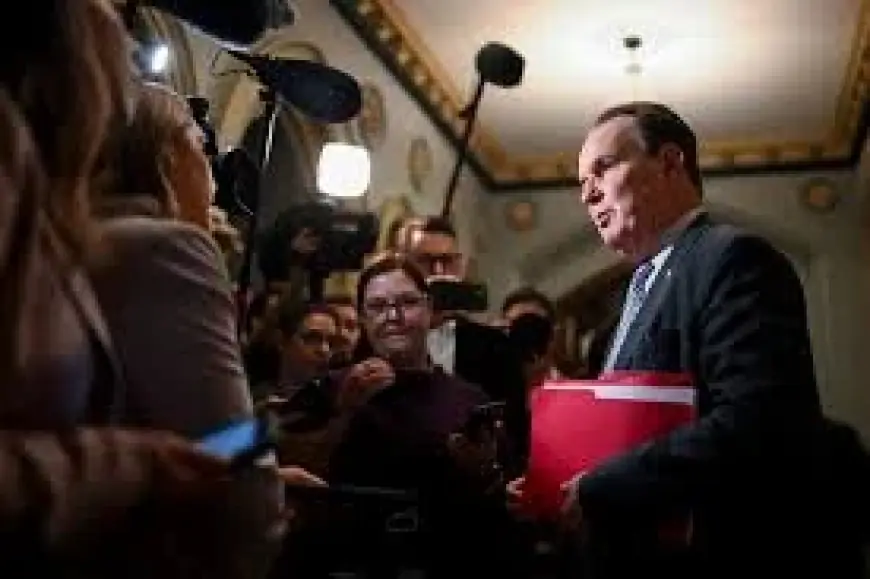
The House of Commons has rejected the Senate’s amendment to bill c-4, leaving the bill’s current privacy language intact after the Red Chamber sought to add a sunset clause. Government House Leader Steven MacKinnon spoke to reporters before a cabinet meeting on March 12 ET and said elected representatives should set election rules while the Carney government plans additional privacy measures in this parliamentary session.
House of Commons decision on Bill C-4 and Thursday’s vote
On Thursday, MPs voted to overturn the Senate’s amendment to Bill C-4, rejecting the Red Chamber’s call to time-limit the bill’s privacy provisions. The larger bill primarily addresses tax cuts that are already in force but still require statutory enactment, and its final section concerns how political parties handle Canadians’ personal information. The House’s motion argued that Parliament should govern communication rules for federal parties.
Senate concerns, the Canada Elections Act and the Office of the Privacy Commissioner
The Senate added a sunset clause after sharp criticism that the privacy measures in Bill C-4 do not hold parties sufficiently accountable. Federal parties are not covered by private-sector privacy law, which means voters lack rights to access, change or delete information parties hold on them, and the Office of the Privacy Commissioner cannot step in after a breach. The privacy text in the bill was inserted in response to a court case in British Columbia about whether provincial privacy law should apply to federal parties, and the province’s Privacy Commissioner believes it should, while the Liberals, Conservatives and NDP have argued otherwise.
Based on context data:
- Bill C-4 contains a section on how political parties manage personal information.
- The Senate proposed a sunset clause for those privacy provisions.
- The House of Commons rejected the Senate amendment on Thursday.
- The Carney government intends to bring forward additional privacy provisions within this parliamentary session.
Scenario paths if the Carney government pushes privacy changes or if British Columbia’s case prevails
If the Carney government introduces the additional privacy provisions and legislative changes to the Canada Elections Act within this parliamentary session, Parliament would set new rules governing how federal parties communicate with Canadians. Government House Leader Steven MacKinnon framed this approach as having elected people govern election rules, and the motion before the Commons emphasized a long tradition of the Senate deferring to the House on amendments to the Canada Elections Act.
Should the British Columbia court decide that provincial private-sector privacy law applies to federal parties, that outcome would alter the legal landscape described in the bill: parties would move from being outside provincial privacy law to being subject to it, which would potentially give voters rights to access, change or delete their data and allow provincial privacy authorities to play a role in breaches. The context notes this legal question is central to why the privacy measures were added to Bill C-4 in the first place.
What the context does not resolve is how detailed the government’s promised privacy provisions will be or the timing of legislative drafting and debate. The next confirmed signal from the context is the government’s pledge to bring forward additional privacy provisions and changes to the Canada Elections Act within this parliamentary session, which will reveal whether the Commons’ approach or the Senate’s time-limited proposal more directly shapes rules for party-held voter data.