Capelin Stock Assessment Shows Positive Trends, Reports DFO

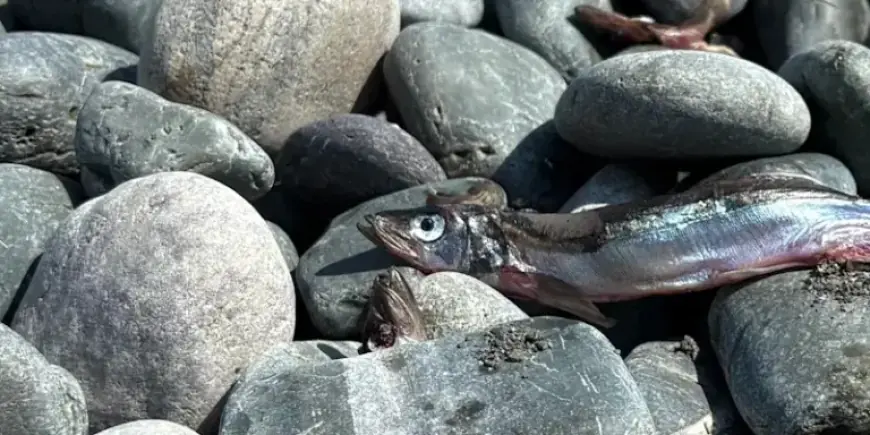
The Department of Fisheries and Oceans (DFO) has announced encouraging findings regarding the capelin stock in Newfoundland and Labrador. The latest stock assessment report reveals a significant increase in capelin biomass for 2025, surpassing levels observed in 2024.
Positive Trends for Capelin Stock Assessment
In the recent assessment, capelin biomass reached its highest level in a decade. This increase is noteworthy as it also exceeded the limit reference point set for sustainable levels. DFO attributes these positive trends to the ongoing warming of ocean temperatures. This climatic change has improved feeding conditions for capelin, allowing them to thrive.
Link Between Capelin Population and Cod
Dr. Ron Lewis, a stock assessment biologist at DFO, emphasized that the abundance of capelin has broader implications for the marine ecosystem. He noted that increased capelin numbers directly benefit species that prey on them, particularly cod. Historical data between 2013 and 2015 showed that higher capelin populations correlated with a boost in finfish biomass.
- Capelin biomass increased significantly in 2025.
- Current levels are the highest in ten years.
- Warming ocean temperatures have enhanced feeding conditions.
- More capelin leads to improved conditions for cod and other marine species.
Looking ahead, the outlook for capelin stock remains optimistic for the upcoming year. The resurgence of this species is promising for the overall health of the marine ecosystem. As Dr. Lewis stated, “When there are more capelin in the system, cod are generally doing better.” This interconnectedness highlights the essential role capelin play in the marine food web, affecting various species and ecosystems.
The DFO’s findings provide a hopeful perspective for both commercial fisheries and marine wildlife conservation efforts in the region.