Analyst Warns Iran May Pursue Nuclear Arms, Defiant Against Surrender

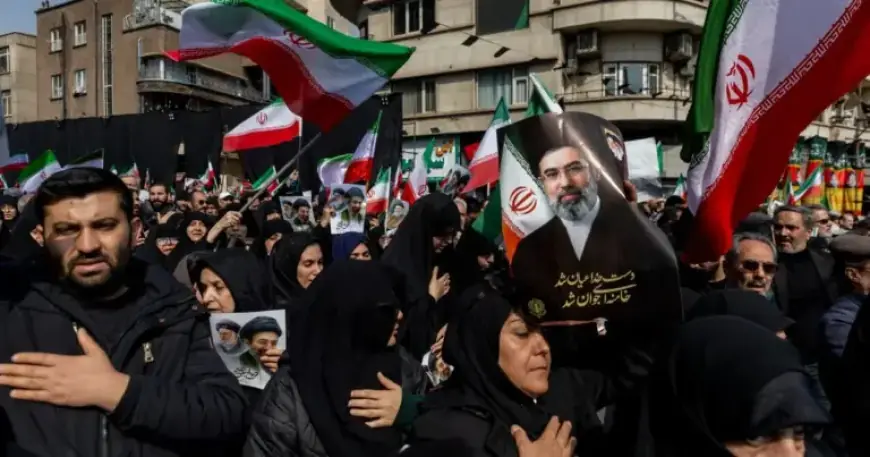
Recent developments in the Middle East have raised concerns regarding Iran’s nuclear ambitions. A prominent analysis indicates that the Iranian regime is increasingly defiant against international pressures, particularly regarding nuclear weaponry.
Analyst Highlights Iran’s Nuclear Aspirations
Danny Citrinowicz, a nonresident fellow at the Atlantic Council, provided insights in a CBS News interview. He contended that the U.S. and Israel underestimated Iran’s capabilities and expressed skepticism about any imminent regime collapse.
Challenges to Regime Change
Citrinowicz emphasized that the likelihood of regime change in Iran is “very slim.” He noted that without deploying ground troops, which could be disastrous, the situation is unlikely to shift significantly. This realization has led him to question the effectiveness of airstrikes as a strategy for toppling the Iranian government.
Leadership Following Turmoil
The recent military actions have led to significant changes within Iran’s leadership. Mojtaba Hosseini Khamenei, the youngest son of the late Supreme Leader Ayatollah Ali Khamenei, has assumed his father’s role after his death during airstrikes on February 28. This shift may embolden Iran’s stance on nuclear development.
Implications for International Relations
According to Citrinowicz, any premature declaration of victory by the U.S. would be unfounded as the regime is unlikely to capitulate its ambitions. He stated, “As long as this regime is there, there will be no unconditional surrender.”
Potential Nuclear Developments
Citrinowicz warned that the new regime may push towards developing nuclear capabilities. He posited that the late Ayatollah was hesitant to cross that critical threshold, while the current leadership might not share those reservations. The potential for Iran to pursue nuclear arms is alarming, as the nation has limited deterrents against threats from Israel and the U.S.
Strategic Miscalculations
The analysis pointed out fundamental flaws in the strategic planning surrounding the strikes on Iran. Citrinowicz recalled that experts consistently warned against the assumption that the regime would collapse with the death of the Ayatollah. He highlighted significant issues with the current strategy, raising concerns about the war’s potential conclusion.
Regional Impact and Future Considerations
The Iranian conflict has not only affected U.S. and Israeli strategies but has also engaged Gulf states in escalating attacks. Recent missile and drone strikes have targeted these nations, suggesting that Iran may be leveraging pressure tactics against international players, including the Trump administration.
- The Gulf States are perceived as vulnerable and pivotal in the ongoing dynamics.
- This pressure could influence U.S. policy, potentially leading to a cessation of military operations.
Citrinowicz’s analysis paints a complex picture of the situation in Iran. As the regime appears determined to pursue nuclear arms, understanding these developments is crucial for those engaged in international relations and security policy.