Renewable Growth Cuts Electricity Bills in State with 50% Green Energy Mix

The Essential Services Commission (ESC) has announced a significant reduction in electricity costs across Victoria. This decision will lower household energy bills by nearly $50 in the upcoming financial year. Small businesses can anticipate savings of around $170. The ESC’s draft decision for the 2026-27 Default Victorian Offer (VDO) suggests an overall decrease of 3%, averaging out to $46 per household.
Impact on Pricing
The proposed pricing changes will affect all five of Victoria’s electricity distribution zones. Households will see fee reductions ranging from $43 to $48 compared to 2025-26. For small businesses, decreases will fall between $165 and $179, averaging $172.
What is the Default Victorian Offer?
The Default Victorian Offer sets a maximum price that electricity retailers can charge for standing offers. This regulation aims to protect consumers while serving as a benchmark for other retail offers.
Renewable Energy’s Role
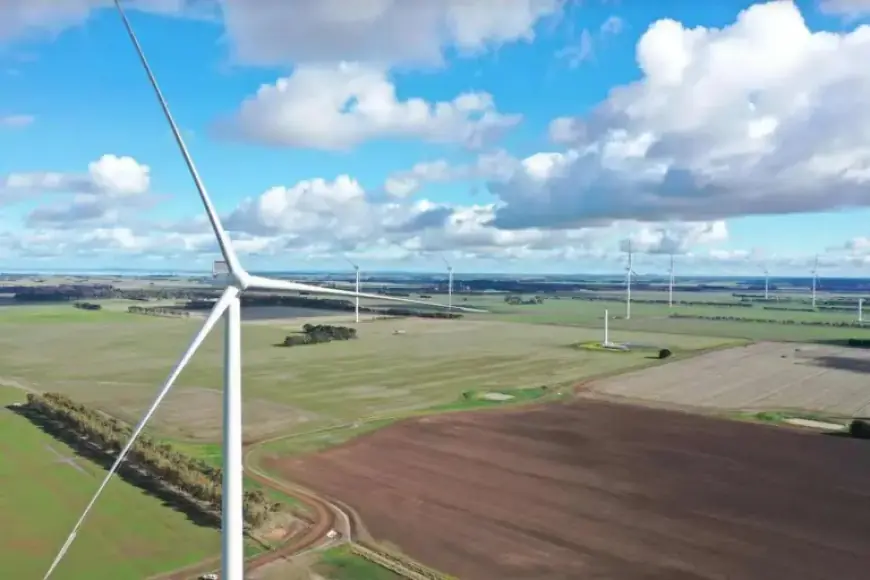
The decline in electricity prices comes amidst Victoria’s commitment to increasing renewable energy generation. The state government targets a 65% renewable energy mix by 2030 and 95% by 2035, with renewables currently contributing about 45% to the state’s electricity supply.
- Victoria’s average wholesale price: $78 per megawatt-hour
- New South Wales: $103 per megawatt-hour
- Tasmania: $96 per megawatt-hour
- South Australia: $87 per megawatt-hour
- Queensland: $85 per megawatt-hour
Statements from Officials
ESC chair Gerard Brody indicated that the decision was reached with the best data available, focusing on the long-term interests of Victorian consumers. Energy Minister Lily D’Ambrosio stated that the state’s investments in renewable energy have led to lower wholesale prices, promoting fair options for consumers.
Political Context
The proposed price cuts arrive in an election year for Victoria. The current Labor government champions renewable energy, while the opposition has expressed skepticism about renewables and its potential impact on agricultural sectors.
Future Initiatives
Meanwhile, the Australian Energy Regulator (AER) is expected to publish its own draft decision on the Default Market Offer (DMO), which impacts other states. The government is also exploring proposals aimed at refining electricity price setting and extending consumer protections.
Currently, approximately 17% of households and 21% of small businesses in Victoria are on the VDO. This includes apartments and other networks unable to choose their own energy supplier.
The significant shifts in electricity pricing encourage consumers to review their energy plans regularly to find better deals amidst the evolving market landscape.