Ice Storm School Closures Signal Widespread Power Outages in Quebec

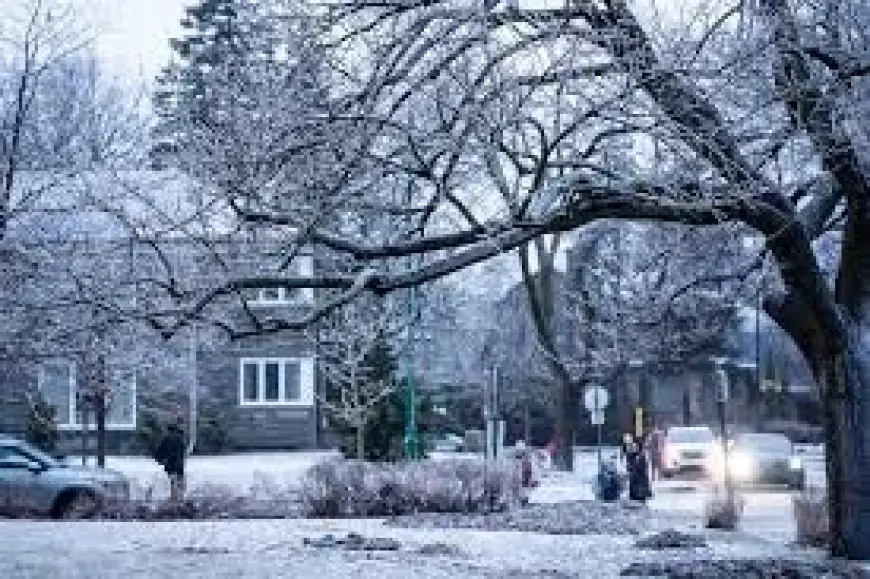
Quebec’s hydro utility is reporting more than 200, 000 households without electricity after freezing rain turned to ice, and Montreal-area schools and universities cancelled classes. The ice storm school closures, together with halted REM service and dozens of canceled flights in Montreal and Quebec City, reveal a storm that shut down schools and key transport links across Central Canada.
Ice Storm School Closures in Montreal
Quebec’s decision to cancel Montreal-area classes affected schools and universities as freezing rain glazed streets in the afternoon on Wednesday. Public officials urged residents to stay home while classes were cancelled, leaving families and institutions to weigh safety against lost instructional time. The pattern suggests local authorities prioritized immediate safety on icy roads over continuity of in-person schooling.
Quebec’s hydro utility: 200, 000 households
More than 200, 000 households are without electricity after the winter storm struck Central Canada, the hydro utility says. Power failures followed the period when snow turned to ice across eastern Ontario and Quebec, increasing the risk of downed lines and localized outages. The figures point to a broad infrastructure impact: utilities are coping with widespread icing on equipment that can take substantial time to repair.
REM disruptions in Montreal stations
Icy conditions halted services on some stations of the Montreal-area REM light-rail network on Thursday morning, and dozens of flights were cancelled in Montreal and Quebec City with travellers advised to check schedules. Early in the storm, flooding was reported in parts of Toronto on Wednesday before precipitation transitioned to freezing rain farther east. That disruption suggests both surface and air travel were compromised at multiple hubs across the region.
Public officials urged residents in the Montreal region to stay home as crews responded to outages and icy roads, a directive that accompanied school cancellations and suspended transit services. For families and commuters, the combination of power loss, closed schools and limited transit created overlapping logistical strains on households and on emergency-response planning. The sequence indicates municipal authorities and utilities were coordinating public-safety messages while managing simultaneous infrastructure problems.
No restoration timeline from Quebec’s hydro utility is provided in the context; one specific open question is when the utility will restore power to the more than 200, 000 households. If the utility sets a timetable for repairs, that schedule will determine when Montreal-area schools, REM stations and airports can reliably resume normal operations.