IEA Signals Historic Disruption in Global Oil Supply

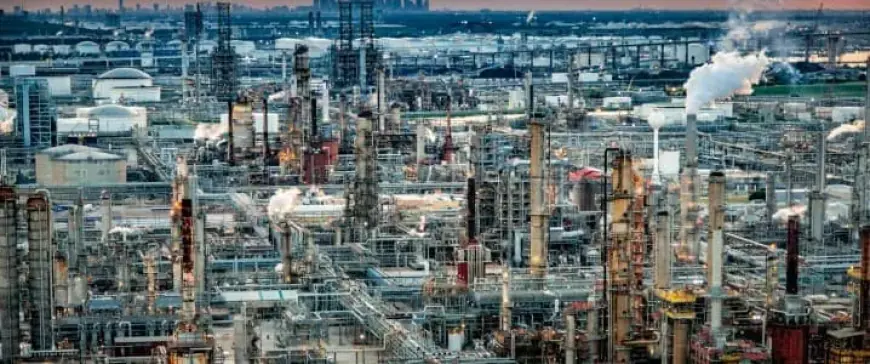
The ongoing conflict in the Middle East has led to unprecedented disruptions in global oil supply, according to the International Energy Agency (IEA). Flows of approximately 20 million barrels per day (bpd) through the strategically vital Strait of Hormuz have drastically diminished. This critical route is responsible for a significant portion of the world’s oil shipments.
IEA Reports Major Supply Interruptions
As the situation escalates, Gulf nations have reduced their collective oil production by over 10 million bpd. This response comes amidst concerns that storage capacities are nearing limits and alternative routes to bypass the Strait of Hormuz are limited, as noted in the IEA’s monthly Oil Market Report.
Emergency Oil Stock Release
In a historic move, the IEA announced the largest coordinated emergency release of oil from reserves, totaling 400 million barrels. This decision reflects the urgency of the situation and the agency’s intention to stabilize markets effectively.
Future Projections amid Conflict
Despite earlier claims by IEA Executive Director Fatih Birol that there was a surplus of oil in the market, the current conflict is predicted to decrease global oil supply by 8 million bpd in March alone. While reductions in the Middle East may be somewhat counterbalanced by increased production from non-OPEC+ producers, including Kazakhstan and Russia, the emergency stock release may not suffice for extended disruptions.
Complexities of the Oil Market
The IEA emphasized that the full impact of the current conflict on oil and gas markets will depend greatly on several factors:
- The intensity of military actions in the region
- Damage to energy infrastructure
- The duration of shipping disruptions through the Strait of Hormuz
The agency acknowledged that while the emergency stock release offers temporary relief, it cannot substitute for a long-term solution. As the geopolitical landscape continues to evolve, stakeholders in the oil market must remain vigilant.