Iran Conflict Disrupts Air Travel: Essential Travel Tips

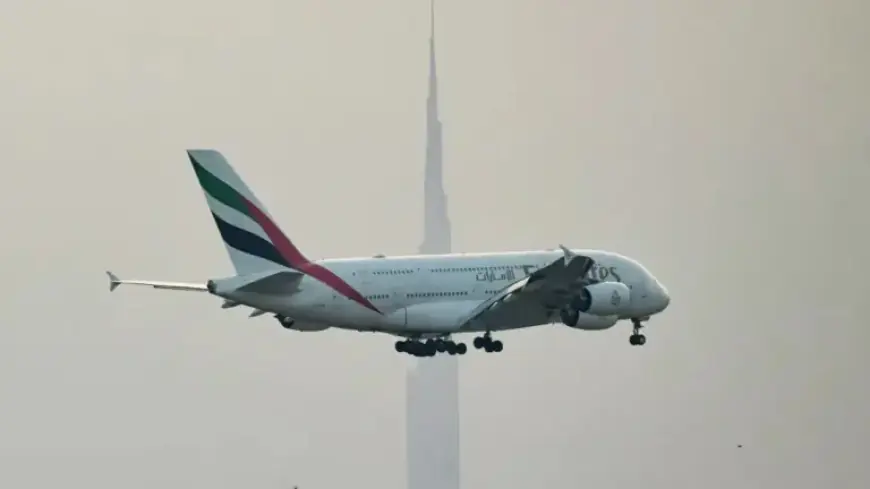
The ongoing conflict in Iran significantly disrupts air travel worldwide, raising fuel prices and resulting in flight cancellations. As the situation unfolds, travelers must navigate a shifting landscape in airfare and logistics.
Impact of the Iran Conflict on Air Travel
The war in Iran has caused a notable upheaval within the aviation sector. From late February to early March, over 46,000 flights were canceled in and out of the Middle East. The conflict started on February 28, coinciding with airstrikes by the U.S. and Israel, and has had far-reaching consequences beyond the region.
Flight Cancellations and Rising Costs
- Major airports affected include Dubai International, Doha, and Abu Dhabi.
- Jet fuel prices increased drastically, from $2.11 per gallon at the beginning of 2023 to $3.40 by March 10.
- This spike occurred as Iran threatened to shut down the Strait of Hormuz, a crucial route for global oil and gas.
Before the conflict escalated, Mideast refineries were supplying approximately 470,000 barrels of jet fuel daily. The conflict’s ripple effects have prompted airlines to anticipate higher fare increases in response to escalating fuel costs.
Current Advice for Travelers
Experts recommend booking flights sooner rather than later. Sean Cudahy, an aviation reporter, emphasizes the importance of securing tickets now, given the unpredictable nature of the situation. Travelers should consider the following tips:
- Avoid purchasing non-refundable, basic economy tickets.
- Opt for regular economy tickets for flexible options.
- Utilize airline miles for greater booking security; cancellations generally allow for miles to be refunded.
- Monitor flight prices using tools like Google Flights for alerts on changes.
- Understand the cancellation policies of third-party booking sites like Expedia.
Precautions Due to Ongoing Hostilities
Given the potential for renewed conflict near Iran, it may be wise to avoid booking travel through nearby hubs for the immediate future. Cudahy suggests that just as travelers are filling gas tanks before prices rise, the same urgency applies to booking airfare at this time.
Long-Term Outlook
Experts warn that as long as the conflict continues and the Strait of Hormuz remains affected, jet fuel costs will likely rise. This situation resembles past crises, such as the oil shock in the late 1970s. Discussions regarding tapping strategic oil reserves may provide temporary relief but may not significantly impact jet fuel prices.
The aviation industry faces challenges, and airlines are expected to adjust pricing models to cope with fuel costs. Travelers should be prepared for fluctuations in airfare as the situation develops.