Iran Conflict’s Impact: Rising Prices May Hit Your Wallet Soon

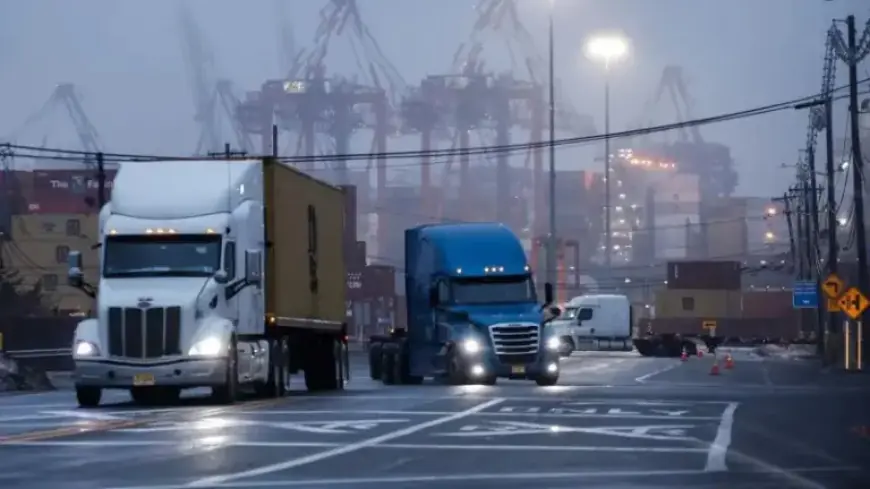
The ongoing conflict involving the United States, Israel, and Iran has significantly impacted oil and gas prices, leading to broader economic concerns. As oil prices surge, the costs associated with transporting goods are also on the rise. This situation has become increasingly critical for both markets and consumers.
Rising Transportation Costs
Higher oil prices are driving up transportation expenses globally. Brian Bethune, an economics professor at Boston College, notes that many businesses are still recovering from previous tariff impacts and have limited capacity to absorb additional costs. If elevated oil prices persist, consumers can expect noticeable increases in various goods due to these “cost shocks.”
Fuel Price Dynamics
Shipping rates vary based on diesel prices, which are crucial for determining transport costs. For example:
- FedEx Ground activates a 21.5% fuel surcharge when diesel hits $3.55 per gallon.
- Current diesel rates as of March 9 are at $4.86 per gallon, prompting a 24.75% surcharge for the coming week.
This system applies to all major freight modes, including air, rail, and ocean transport, where the fuel type and cost dictate pricing structures.
Impact on Consumer Goods
Consumers will first notice the effects of rising fuel costs in grocery stores. Items such as produce, meat, and dairy are particularly vulnerable to price increases. Deborah Weinswig, CEO of Coresight Research, highlights that perishable goods cannot be stockpiled, making them more susceptible to such inflationary pressures.
Delayed Price Increases for Non-Perishables
Higher prices for non-perishable goods will manifest more slowly. Previous tariff implementations led businesses to build up inventories, allowing them to hold off on raising prices immediately. However, as the conflict continues, businesses will need to find strategies to manage heightened fuel expenses.
Strategies Businesses Might Employ
In past crises, such as the 2022 Russia-Ukraine conflict, many companies opted for “shrinkflation.” This practice involves reducing product sizes while maintaining prices, effectively raising costs without explicit price hikes. However, current consumer spending trends might make such tactics less effective.
Potential Consequences of Rising Costs
The economic impacts of rising oil prices and transportation costs could lead businesses to pursue more drastic measures, including layoffs. Brian Bethune emphasizes that increased expenses will ultimately reflect on various sectors, contributing to underlying inflationary trends that consumers will feel in their wallets.
As the conflict continues, consumers and businesses alike should prepare for a landscape marked by rising prices and potential adjustments in product offerings. These changes underscore the broader connection between geopolitical tensions and everyday economic realities.