China Enacts Law Promoting Mandarin for Ethnic Minorities

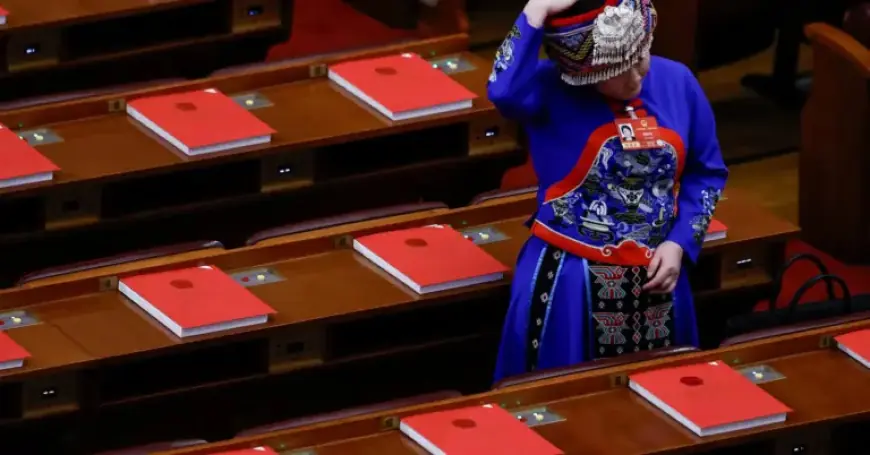
On March 12, 2026, China enacted a significant law aimed at fostering a “shared” national identity among its 55 ethnic minority groups. This move, derived from the “Promoting Ethnic Unity and Progress” initiative, has sparked controversy regarding its implications for minority identities.
New Law Overview
The Chinese National People’s Congress passed the law during its annual closing session, receiving overwhelming support with 2,756 votes in favor, three against, and three abstentions. The law will formally take effect on July 1, 2026.
Key Provisions of the Law
- Mandates Mandarin as the primary language in education and government.
- Encourages integration across various sectors, including housing, community life, and culture.
- Supports intermarriage among ethnic groups by prohibiting marriage restrictions based on ethnicity or religion.
- Requires that in public communications, Mandarin takes precedence over minority languages.
- Ensures the Sinicization of religions in China, affecting religious schools and institutions.
Impact on Ethnic Minorities
Critics argue that the law may undermine the identities of non-Han Chinese groups, which comprise about 9% of China’s 1.4 billion people. The Han Chinese population overwhelms the diversity of 55 recognized groups, such as Tibetans, Mongols, and Uyghurs, who inhabit areas rich in resources. This law could label dissenters as separatists, raising concerns about the preservation of their distinct cultures.
Expert Opinions
Experts, like Allen Carlson from Cornell University, indicate that this legislation signifies a shift toward forced assimilation. They argue it emphasizes the need for non-Han peoples to align closely with the Han majority and pledge loyalty to the central government.
Legislative Process
According to state media, the law was subject to extensive legislative scrutiny, incorporating feedback from minority representatives. An editorial in the China Daily stressed the law’s commitment to preserving cultural traditions while facilitating economic growth.
While the goal is to enhance integration among ethnic groups, the consequences for minority rights and identities remain a pressing concern. The dialogue around this law highlights the ongoing tension between national unity and cultural diversity in China.