Chinese Firms Actively Hedge Yuan Fluctuations Amid Regulatory Support

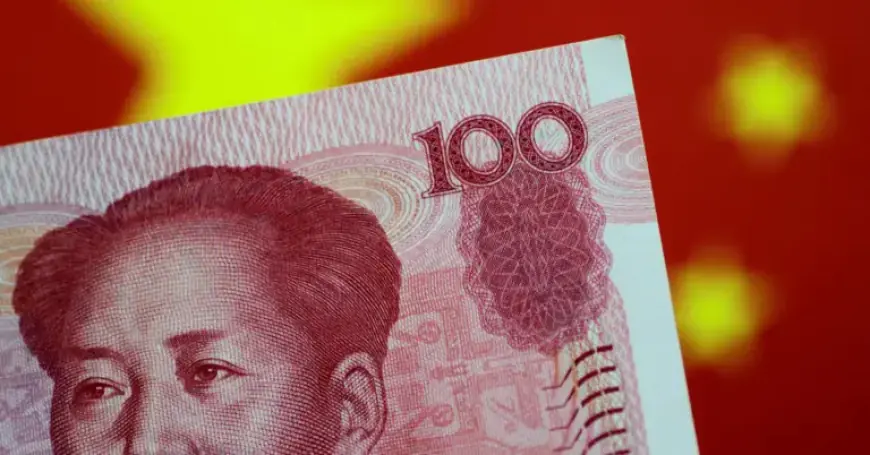
Chinese companies are increasingly turning to derivatives to hedge against currency fluctuations as the yuan strengthens. This trend is partly supported by regulatory authorities, which have been encouraging firms to adopt hedging strategies. As the yuan’s appreciation impacts exporters, a transformation in market sentiment regarding the currency has emerged.
Growing Use of Derivatives Amid Yuan Appreciation
In recent months, businesses have recorded significant exports, with growth soaring 22% in January and February. However, the rising yuan is causing concern among exporters as it diminishes the dollar value of their holdings. To mitigate risks, companies are increasingly opting for hedging tools.
- Net selling of foreign currencies reached a staggering $39 billion in January.
- This followed a record net selling of $100 billion in dollars to Chinese banks in December.
- Over $80 billion was sold in January alone.
These numbers reflect a notable shift in the approach to currency exposure, as firms move away from maintaining dollar reserves. A report by Lynn Song, chief economist for Greater China at ING, indicates a growing consensus favoring yuan appreciation among market participants.
Regulatory Support for Hedging Strategies
To promote stability, regulatory bodies have instructed banks to enhance companies’ hedging ratios. Currently, the national ratio stands at 30%, a significant increase from 2020. Authorities, including the People’s Bank of China, are focused on improving risk management services for businesses.
Pan Gongsheng, the Governor of the People’s Bank of China, announced that a substantial portion of trade is now largely insulated from currency fluctuations. He projected further increases in the use of yuan for cross-border transactions.
Impact on Exporters and Market Dynamics
The focus on hedging is a response to the financial strain experienced by exporters. For instance, several companies have reported declines in profits due to the yuan’s strength. Notably:
- Huizhou Sanchuang Technology has revised its cash management strategy in light of currency losses.
- Beijing Ultrapower Software experienced a 28% drop in projected profits due to the strong yuan.
- Suzhou Junchuang Auto Technologies reported a 31% decline in annual earnings related to currency risks.
Risk-management consultancies are observing a growing trend. A record 1,409 listed Chinese companies disclosed currency-risk hedging measures in 2025, marking a 13.5% increase from the previous year.
Conclusion: A Shift in Forex Market Dynamics
Although uncertainties loom due to geopolitical events, companies hold approximately $1 trillion in onshore dollar deposits. If a portion of this capital is hedged or repatriated, it could significantly alter the dynamics of China’s foreign exchange market. As firms adapt to a stronger yuan, the trend toward hedging appears set to deepen, shaping future currency transactions.