Australia Boosts Supply: 100 Million Litres Arrives After Fuel Rule Relaxation

Australia is responding to escalating fuel demands by relaxing fuel standards for two months. This adjustment will introduce an additional 100 million litres of fuel into the domestic supply chain. The move comes as the nation faces challenges due to the ongoing conflict in the Middle East.
Fuel Supply Changes and Implications
The temporary easing of restrictions allows for the blending of higher-sulphur fuel into the local supply. This practice had been limited previously but is now expected to benefit both rural and regional areas. Ampol’s refinery in Brisbane can now direct fuel to Australia instead of exporting it.
Prioritization of Regional Needs
- 100 million litres of extra fuel will focus on regional and rural Australia.
- Farmers and fishers are highlighted as primary beneficiaries.
- Fuel supply chain challenges continue to affect availability.
Energy Minister Chris Bowen emphasized the government’s commitment to ensuring that additional fuel is accessible to those in need. He reassured the public that current fuel supplies remain robust despite recent panic buying, which has led to a surge in demand.
Global Context and Domestic Reserves
The geopolitical landscape, particularly the blockade of the Strait of Hormuz by Iran, has had significant repercussions. This blockage affects roughly 20% of the world’s oil supply, raising concerns over potential shortages. To combat this, the International Energy Agency (IEA) has decided to release 400 million barrels of oil globally.
- Australia currently maintains:
- 36 days of petrol supply
- 29 days of jet fuel
- 32 days of diesel
Despite these reserves, they fall short of IEA guidelines, which recommend member nations maintain at least 90 days’ worth of fuel reserves. Discussions are ongoing about Australia’s contribution to the IEA’s efforts to stabilize oil markets.
Fuel Price Trends
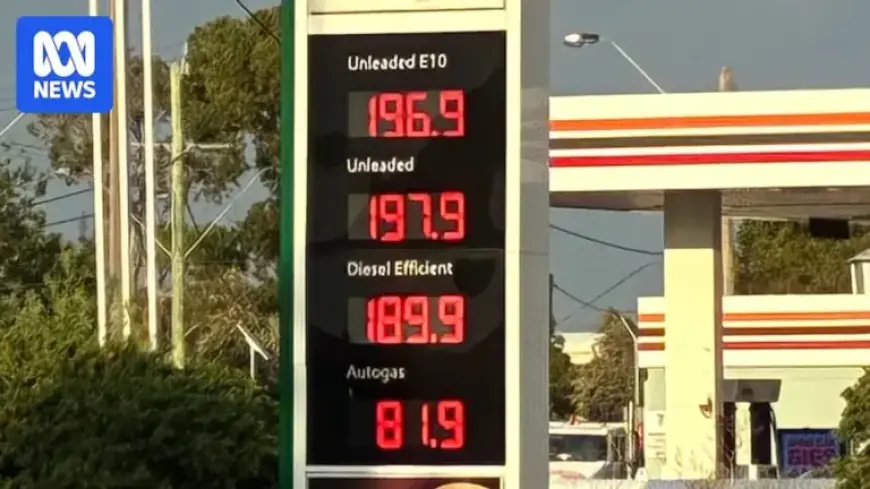
Recent data indicates a spike in fuel prices, with the national average rising 17 cents per litre within a week. Prime Minister Anthony Albanese warned that prolonged conflict in the Middle East could have further negative impacts on fuel prices and supply chains. This situation could lead to added inflationary pressures globally.
Expectations for Future Action
Hamish McIntyre, president of the National Farmers Federation, expressed concerns regarding farmers’ ability to access adequate fuel supplies. He noted that reliance on major fuel importers often leaves independent retailers struggling to meet demand.
McIntyre has called for the government to clarify future triggers for additional supply measures. He stressed that timely access to fuel is critical for agricultural operations, including planting and harvesting activities. With growing demands and supply challenges, the government’s measures will be essential in maintaining fuel security across Australia.
For ongoing updates and developments, visit Filmogaz.com.