Section 301 Tariffs Open New U.S. Probes of Partners

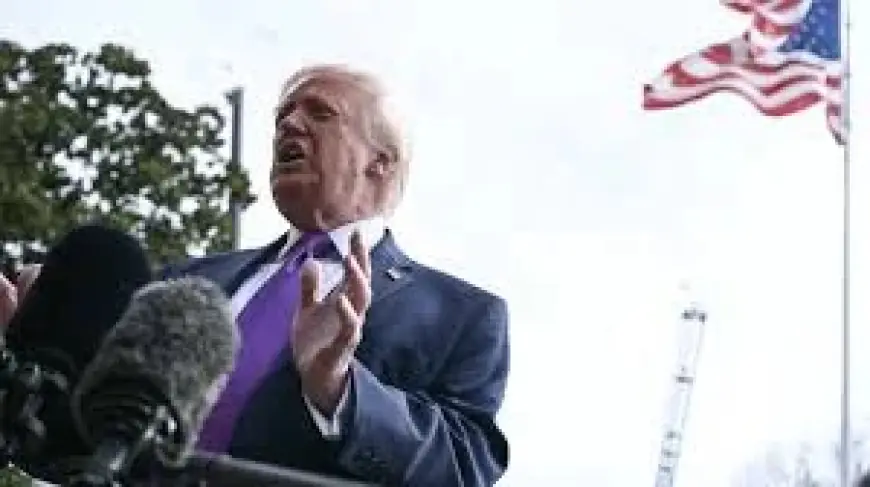
The United States has launched a new inquiry under section 301 tariffs that could allow the US to impose import taxes on countries including China, the European Union, India, Japan, South Korea and Mexico, U. S. Trade Representative Jamieson Greer said. The probe, announced after the Supreme Court struck down a key part of President Donald Trump’s tariff policy last month, sets in motion a pathway to new levies by this summer.
Section 301 Tariffs Greer Timeline
Greer said the Section 301 unfair trade practices probe could lead to new levies against China, the European Union, India, Japan, South Korea and Mexico by this summer and that he hoped to conclude the investigations before temporary tariffs imposed in late February expire in July. The statutory mechanism at issue is the Section 301 framework, which the administration is using to rebuild its legal case for tariffs after the Supreme Court decision.
The pattern suggests the administration is prioritizing speed: setting a summer target and linking the probe to an existing set of temporary levies compresses the timeframe for findings and potential action.
Targets: China, EU, Mexico
The probe names a wide set of trading partners explicitly: China, the European Union, India, Japan, South Korea and Mexico, with additional countries listed such as Vietnam, Thailand, Malaysia, Cambodia, Singapore, Indonesia, Bangladesh, Switzerland and Norway. Canada was not mentioned as a target, despite being the US’s second largest trading partner.
The figures point to a broad sweep: by including both large economies like China and regional suppliers such as Vietnam and Malaysia, the investigation can justify levies across many supply chains if the findings support claims of unfair practices.
Supreme Court Ruling Effects
The probe follows the Supreme Court ruling that struck down tariffs the president imposed in April last year, prompting President Donald Trump to announce a new global tariff that initially took effect at 10% and which he and senior officials have said will be raised to 15%. Meanwhile, 24 states are seeking to block the latest tariffs that were imposed to replace those struck down.
The pattern suggests the administration is using Section 301 authority to recreate leverage lost after the court decision, even as legal challenges from 24 states and political pushback complicate immediate enforcement.
For now the next confirmed milestone is the administration’s deadline: Greer hopes to conclude the investigations before the temporary tariffs imposed in late February expire in July. If those investigations finish before July, the data suggests the administration could roll new tariff orders into place timed with the expiration of the temporary levies.