Ronnie Delaney’s death resets Ireland’s sporting narrative toward legacy and development


Ireland is mourning ronnie delaney, the 1500m Olympic gold medallist who has died at the age of 91. The tributes now taking shape — from cabinet ministers to community landmarks — signal a forward-looking focus on how his Melbourne victory, academic-athletic journey, and family-centered life will guide the country’s remembrance and its language around sporting inspiration.
1956 Melbourne gold and Arklow’s Delany Park shape today’s reflection
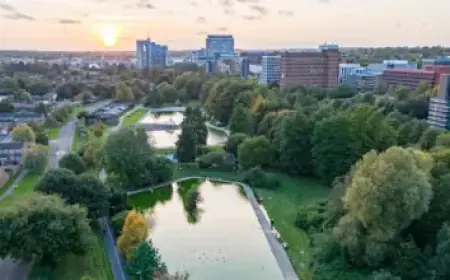
Ronnie Delany won 1500m gold at the Melbourne Olympics in 1956 at just 21, a result that defined an era for Irish sport. Born in Arklow, Co Wicklow, and raised in Dublin, he is remembered in his hometown through Delany Park, a permanent reminder that places and achievements now sit side by side in how Ireland recounts its sporting past.
Official statements emphasize the long arc of that Melbourne moment. One tribute highlights his win as Ireland’s first Olympic gold in two decades — noting Bob Tisdall and Pat O’Callaghan’s 1932 successes — and points out that Delany’s achievement stood as a high watermark until Barcelona in 1992. That timeline, repeatedly referenced in condolences, is setting the frame for how his story will be told: a landmark result that connected generations.
Patrick O’Donovan and Charlie McConalogue frame Ronnie Delaney’s influence
The Minister for Culture, Communications and Sport, Patrick O’Donovan TD, called Delany a role model to athletes at home and abroad, centering his remarks on the Melbourne gold and the inspiration it offered young runners. The Minister of State for Sport and Postal Policy, Charlie McConalogue TD, linked that inspiration to later Irish successes, naming Sonia O’Sullivan and John Treacy as part of the legacy line. Their words place state-level emphasis on intergenerational impact as the defining lens for remembrance.
Beyond medals, those statements also point to a broader legacy. Delany retired young due to injuries on the same day he proposed to his wife, Joan, before moving into roles with Aer Lingus and B&I Line and later creating a sports marketing and consultancy business. By acknowledging his devotion to Joan, his children, and his grandchildren, and by noting his professional life after competition, the tributes elevate a holistic legacy — athletic excellence, community symbols, and life beyond the track. As ronnie delaney is honored, that wider frame is becoming part of the national narrative, not just a footnote.
If official tributes expand, Villanova, Stockholm and Sofia could lead
If the current emphasis on legacy deepens, commemoration may spotlight the full arc of Delany’s career — especially the institutions and cities explicitly tied to his rise. He attended Villanova University in Pennsylvania, where he won four individual NCAA outdoor titles, a record of collegiate dominance that complements his global podiums. He added 1500m bronze at the European Championships in Stockholm in 1958 and won 800m gold at the World University Games in Sofia in 1961.
Should that broader narrative take hold, the anchor points are already clear: Melbourne 1956 as a national milestone, Arklow’s Delany Park as a community touchstone, and Villanova, Stockholm, and Sofia as markers of sustained excellence beyond one signature race. What the context does not resolve is how these threads will be formally woven together — there are no details about ceremonies, timelines, or programmatic honors. For now, the confirmed signals are ministerial condolences and the places and achievements named in those statements, which outline how Ireland is poised to remember Ronnie Delaney: through a map of moments that collectively define enduring inspiration.