Van Allen Radiation Belt Probe A to Re-enter and Burn

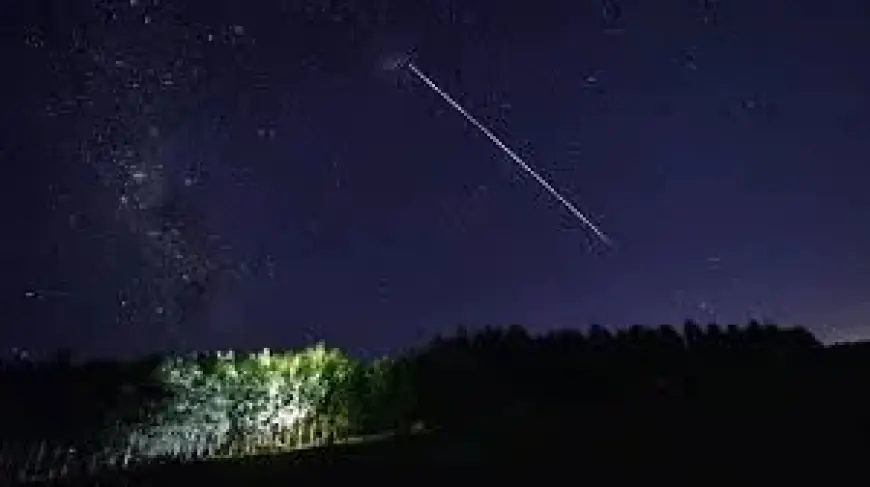
A Van Allen Probe spacecraft, Van Allen Probe A, weighing more than 1, 300lb (600kg) is expected to re-enter Earth’s atmosphere around 7: 45 pm ET, and the probe’s mission data on the van allen radiation belt will remain central to how agencies frame the event. NASA and the US Space Force have said most of the spacecraft should burn up but some components may survive re-entry.
Van Allen Probe A Re-entry
Van Allen Probe A is projected to re-enter at about 7: 45 pm ET with an initial uncertainty of plus or minus 24 hours, and the US Space Force issued the timing prediction. The one confirmed risk metric is a one in 4, 200 chance that a person could be harmed by surviving debris, a probability the space agency characterised as “low. ” The figures point to a managed but nonzero risk profile that requires active monitoring.
Van Allen Radiation Belt Findings
The spacecraft, launched in 2012 with its twin Van Allen Probe B, collected data from Earth’s two permanent radiation belts and produced the first data showing a transient third radiation belt during intense solar activity. The mission was designed for two years but ran for almost seven, ending in 2019 when the probes ran out of fuel and could no longer orient toward the Sun. The mission’s longevity and the discovery of the transient third belt suggest the probes yielded data that remain scientifically valuable even as one vehicle re-enters.
Van Allen Probe B Status
Van Allen Probe B is not expected to re-enter before 2030, giving agencies time to track its orbit and refine debris models for any future re-entry. Early predictions that the probes would return in 2034 proved inaccurate for Probe A, so Probe B’s projected timeline highlights how orbital decay calculations can shift over years. That shift underscores the need for continued surveillance of aging spacecraft in similar orbits.
Most accounts state that most of Van Allen Probe A will burn up on re-entry, yet some components may survive to reach the surface, and the US Space Force and NASA will maintain monitoring and update predictions as the event approaches. If monitoring revises the projected time or narrows the 24-hour uncertainty window, the data will directly inform any local risk assessments and public advisories.
NASA and the US Space Force will continue to monitor the re-entry and update any predictions, which is the next confirmed development listed by both agencies. That monitoring will deliver the definitive timing and any changed impact probabilities; if updates narrow the 24-hour uncertainty, the revised numbers will determine whether any additional public safety steps are necessary.