Maximize Your Tax Return: Expert Tips to Boost Your Refund

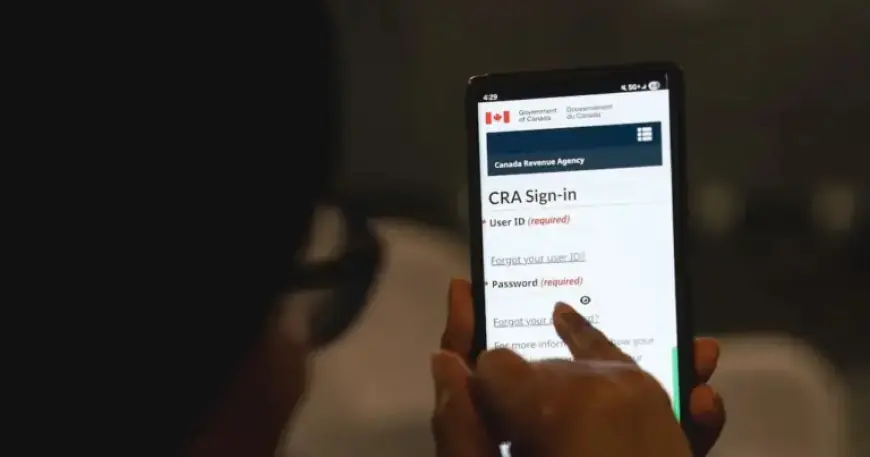
Maximizing your tax return can seem daunting, but several strategies can help boost your refund. By understanding available deductions and credits, taxpayers can ensure they minimize their tax liability. Here are some expert tips to help you make the most of your tax return.
Understand Available Deductions and Credits
Taxpayers often leave money unclaimed because they overlook eligible deductions and credits. Familiarize yourself with both federal and provincial tax benefits. Pay attention to government announcements, especially during election years, as they may lead to retroactive changes that could benefit you.
- Federal Tax Changes: Last May, a reduction in the lowest tax bracket was announced; the rate dropped from 15% to 14%. For 2025, individuals will be taxed at 14.5% on taxable income up to $57,375.
Maintain Year-Round Awareness
Tax season should be perceived as a continuous process rather than a singular event. Throughout the year, keep a folder—physical or digital—of receipts and documents that may be relevant for your tax return.
Documenting Expenses
One common mistake taxpayers make is failing to claim credits due to missing documentation. The lack of receipts for medical expenses or charitable donations is particularly prevalent. Save proof of payments for services like dental visits or prescription medications throughout the year to ensure you can claim relevant deductions.
Joint Expenses for Couples
Couples can further lower their tax bills by combining expenses. For instance, medical bills or fertility treatments can be claimed under the name of the lower-earning spouse, maximizing their refund.
Claiming Work-from-Home Expenses
Remote workers should take advantage of potential work-from-home expenses. Ensure you have the necessary tax forms from your employer to facilitate these claims.
First-Time Home Buyer’s Credit
New homeowners may be eligible for a tax credit of up to $1,500. This first-time home buyer’s tax credit can provide significant savings for those who purchased their home last year.
Utilize Carry-Forwards
Carry-forwards can play an essential role in maximizing your tax return. Certain credits and deductions can be saved for future tax years, such as registered retirement savings contributions or tuition credits.
- Tuition Credits: While post-secondary students typically pay lower taxes, they can carry forward unused tuition credits to future years when their income increases. This strategy allows them to save significantly when they enter a higher tax bracket.
- Transferable Credits: Students can also transfer their unused credits to their parents, helping to reduce the family’s overall tax burden.
Contribution Misconceptions
There is a misconception that students in lower income brackets do not need to contribute to their Registered Retirement Savings Plans (RRSP) to receive tax deductions. However, banking these contributions can yield substantial benefits later, particularly when their income increases.
Remember to notify the Canada Revenue Agency if you decide to carry forward or transfer any tax credits. By implementing these strategies, you can maximize your tax return and ensure you get the refund you deserve.