Israel Doubts Iranian Government’s Collapse Amid War Uncertainty

Israeli officials are increasingly skeptical about the potential collapse of the Iranian government amid ongoing military conflicts. The assessment comes in light of continued airstrikes by Israeli and U.S. forces, which have failed to incite widespread protests or uprisings within Iran.
Israel’s Doubts on Iranian Government’s Collapse
As of March 11, 2026, discussions among Israeli leadership indicate uncertainty regarding the outcome of the war against Iran. Although a senior Israeli official confirmed the government’s expectation of no imminent Iranian uprising, a significant bombing campaign has resulted in the deaths of key figures, including Supreme Leader Ayatollah Ali Khamenei.
War and Its Consequences
The Israeli defense strategy initially aimed to weaken Iran’s regime and support ethnic minorities like the Kurds and Baluchis. Prime Minister Benjamin Netanyahu expressed hope that these actions would empower the Iranian people. However, recent assessments suggest that the Iranian government may endure despite the military efforts.
- Date of Assessment: March 11, 2026
- Key Figures Targeted: Ayatollah Ali Khamenei and senior military commanders
- Example of Resistance: Fear of protests due to bombings and government threats
U.S. Involvement and War Objectives
President Donald Trump’s comments about a swift resolution to the conflict have been contradicted by Israeli officials. They believe Washington is not prepared to signal an end to the military campaign. The U.S. and Israel have yet to publicly clarify their unified objectives for the conflict.
Israeli Foreign Minister Gideon Saar acknowledged that while Iran’s government may withstand the current war, he remains confident in its eventual collapse. The focus appears to be shifting from regime change to diminishing Iran’s military capabilities, highlighting more tangible military goals.
Public Sentiment in Iran
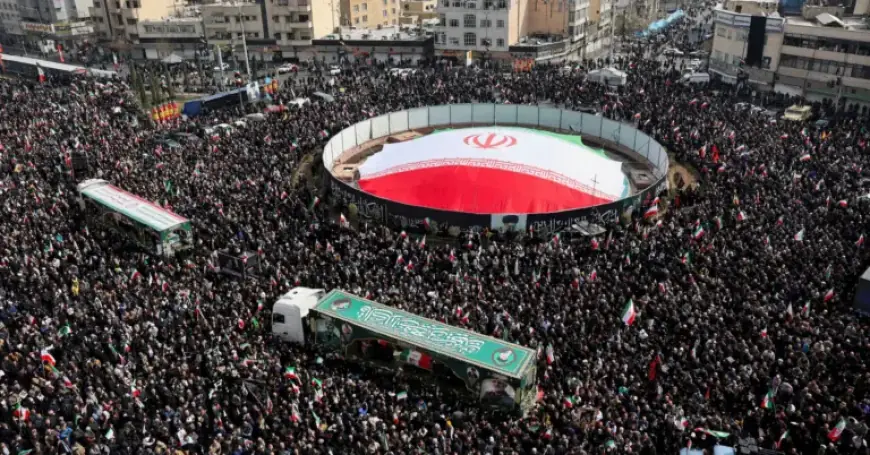
Despite the lack of visible protests, many Iranians harbor resentment towards the ruling regime. Recent statements from Iran’s police chief warn against public dissent, labeling demonstrators as enemies. The atmosphere in the streets remains tense, with an acute sense of fear inhibiting any organized opposition.
- Population Sentiment: Discontent with the regime grows
- Public Reaction: Mixed feelings about military interventions and foreign leaders
Current State of the Economy
The bombing has devastated Iran’s infrastructure, including airports and ports. Many residents continue to express frustration over economic difficulties exacerbated by the ongoing conflict. According to local educators, a swift end to the hostilities may trigger sentiments against the regime due to rising economic woes.
As military actions persist, the Israeli government remains doubtful about achieving its initial goal of a regime change in Iran. The local population faces a complex interplay of military aggression and domestic challenges that complicate any potential uprising.