Why Panic Buying Worsens Shortages: Analyzing Behavioral Triggers

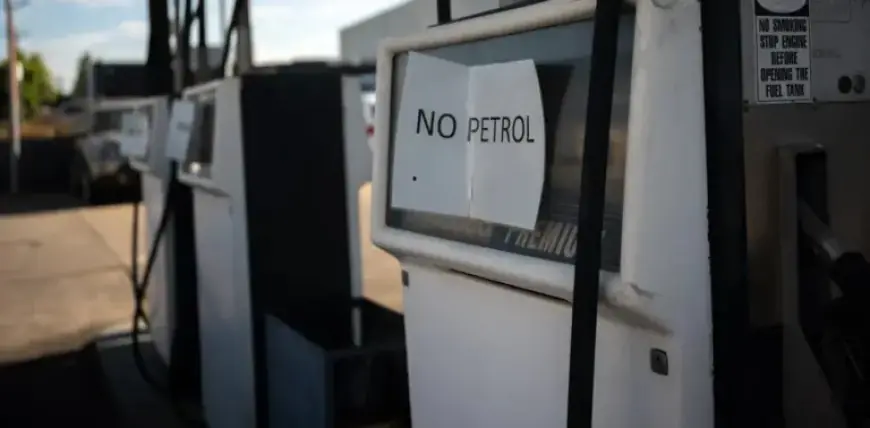
The recent spike in fuel prices has resulted in widespread panic buying across Australia. Consumers have rushed to petrol stations, filling their vehicles and containers. In response, several stations have instituted fuel rationing and temporarily closed pumps.
This behavior echoes the panic buying witnessed in early 2020, during the onset of the COVID-19 pandemic. Back then, consumers hoarded essentials and left store shelves barren. Despite repeated government pleas to avoid stockpiling, the trend persisted. Understanding this irrational behavior can help mitigate its impact during crises.
Understanding Panic Buying Behavior
Panic buying can exacerbate shortages, creating additional supply chain challenges. During our research in 2020, we surveyed nearly 800 Australians to determine the psychological triggers that drive such behavior. We focused on three main categories: non-perishable foods, cleaning products, and hygiene items.
Key Findings from Research
- Attitudes and Risk Perception: People are more likely to stockpile when they believe it is a sensible decision or perceive a risk in not doing so.
- Social Influences: The behavior was notably affected by social cues, particularly regarding non-perishable foods. People often stocked up if they thought others approved.
- Demographic Factors: Interestingly, factors such as age, gender, and income did not significantly correlate with increased buying behavior.
- Personality Traits: Traits related to tolerance for uncertainty did not consistently predict stockpiling tendencies.
Strategies to Curb Panic Buying
In a follow-up study, we developed targeted messaging aimed at curbing panic buying. The intervention included a video emphasizing the stability of supply chains and the importance of responsible purchasing. This initiative successfully lowered the intention to stockpile among participants, shifting their attitudes toward the issue.
Lessons for the Current Crisis
Drawing lessons from past experiences can help address the current situation. Early messaging during the pandemic labeled panic buying as “selfish.” However, effective communication should acknowledge public concerns while reassuring consumers about supply stability. This approach encourages individuals to reconsider the necessity of stockpiling.
The current context differs from early pandemic buying behaviors. The immediate rise in fuel prices has made shortages more tangible and urgent. Effective messaging addressing this situation is crucial.
Our research indicates that panic buying is less about selfish motives and more about perceived risks and the need for reassurance during uncertain times. Focusing on responsible behavior and community responsibility can mitigate panic buying, thus alleviating shortages and stabilizing supply chains.