Global Oil Crisis Worsens Beyond Appearances

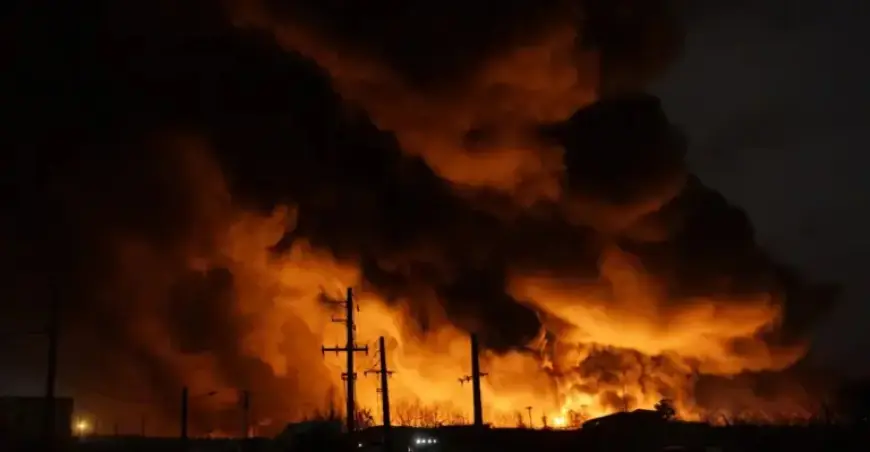
The global oil crisis is currently deepening, revealing severe vulnerabilities in the energy market. A recent escalation of conflict in Iran has raised alarms among energy traders around the world. The Strait of Hormuz, a critical maritime passage for global oil supplies, is at the center of this turmoil. Each day, approximately 20% of the world’s liquefied natural gas (LNG) and one-third of seaborne oil exports traverse this strait.
Historic Supply Shock
This situation has resulted in the largest supply shock in history. The ongoing conflict has disrupted the flow of over 20 million barrels of oil per day—far more than any previous crisis, including the 1979 oil shock driven by Iran that caused significant price increases.
Economic Impacts
The ramifications of this oil crisis are expansive. Key effects include:
- Rising gasoline and energy prices globally.
- Increased costs for diesel, affecting industrial and construction activity.
- Higher airfare costs due to soaring jet fuel prices.
- A potential food cost rise linked to fertilizer supply issues, particularly affecting South Asia.
Analysts are concerned that the oil shock could lead to broader economic ramifications, stalling industrial activity and increasing costs across various commodities.
US Preparedness and Vulnerability
While the United States is the world’s leading oil producer and has some resilience against energy shortages, the crisis presents challenges as well. America only imports a small fraction of its oil from the Persian Gulf, but rising energy prices can still harm consumers and industries dependent on lower costs.
High energy prices could bolster regions benefitting directly from oil production, while placing stress on areas reliant on low energy expenses. The crisis has the potential to create economic divide in the country.
Navigating the Crisis
Many market participants seem overly optimistic about a quick resolution to the conflict. Despite the White House suggesting possible naval escort strategies to ensure safe passage for oil tankers, skepticism remains among shipping companies. Their reluctance stems from concerns over the ongoing threat of Iranian drone attacks, which could disrupt traffic through the Strait anew.
Furthermore, Iran’s strategic positioning suggests that it may prolong the conflict to extract significant costs from its adversaries while attempting to maintain its regime’s power.
Future Projections
Even if a ceasefire were established, restoring normal operations in the Gulf could take weeks, keeping global prices elevated. The perception of risk surrounding oil shipments will likely endure, compounding costs associated with shipping insurance and logistics.
Conclusion
This unprecedented oil crisis underlines a critical lesson: geopolitical tensions can significantly disrupt global oil markets. As market actors piece together the impacts, industry leaders and governments must prepare for an energy landscape characterized by higher prices and uncertainty for the foreseeable future. The momentum of this crisis may extend beyond immediate supply issues, transforming how global energy systems operate in the coming years.