Alabama Governor Ivey Commutes Death Sentence of Charles Lee Burton

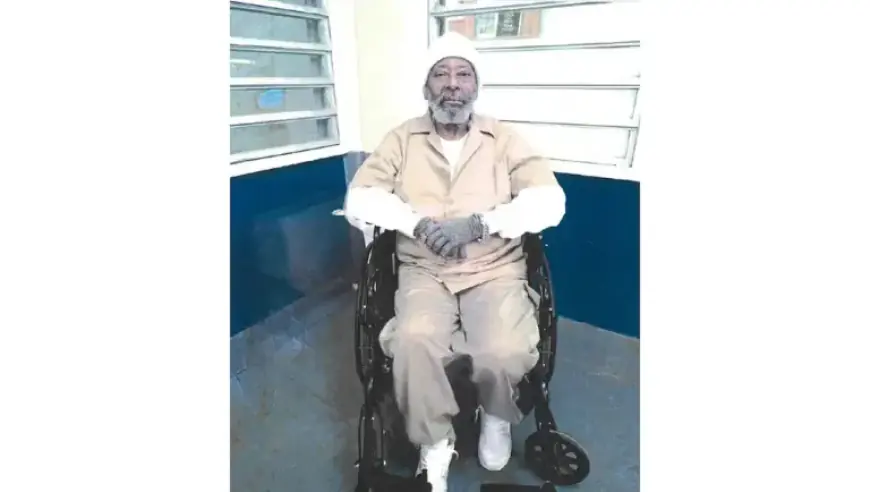
Alabama Governor Kay Ivey has commuted the death sentence of Charles Lee “Sonny” Burton, reducing it to life imprisonment without the possibility of parole. This significant decision comes as Burton, now 75, was facing execution for the 1991 murder of Doug Battle during a robbery at an AutoZone in Talledega, Alabama. Although Burton did not pull the trigger, he was still sentenced to death.
Details of the Case
Burton was set for execution using nitrogen hypoxia, a method previously chosen by the state. His impending execution raised serious legal and ethical questions, notably because he was not the triggerman. Doug Battle was fatally shot by Derrick DeBruce during the robbery. DeBruce initially received a death sentence but was later resentenced to life without parole after a federal appeal.
Governor Ivey’s Statement
In her statement, Governor Ivey expressed her belief in the fairness and proportionality of the justice system. She stated, “I cannot proceed in good conscience with the execution of Mr. Burton under such disparate circumstances.” Ivey noted that it would be unjust for an accomplice to face execution while the individual who committed the act remained alive in prison.
Public Response and Advocacy
The decision to commute Burton’s sentence followed growing calls for clemency. Notably, former jurors and Doug Battle’s daughter, Tori, voiced their concerns regarding the fairness of the original sentencing. Tori Battle remarked in a letter that, had Burton received adequate legal representation, he might not have ended up on death row.
On the day before the commutation, a petition signed by over 60,000 individuals was delivered to Governor Ivey’s office. The Council on American-Islamic Relations (CAIR), which sponsored the petition, commended the governor for her decision, reflecting on Burton’s transformation into a faith leader and mentor while in prison.
Impact of the Decision
Governor Ivey emphasized that Burton’s commutation does not lessen the tragedy of Doug Battle’s murder. She expressed hope that the Battle family finds peace despite their loss. Burton’s life will be spared, allowing him to live out the remainder of his days behind bars, receiving the same punishment as the man who shot Doug Battle.
This commutation marks the second instance of clemency granted by Governor Ivey, showcasing her willingness to reconsider cases within the framework of justice and humanity. In a previous case, she granted clemency to Rocky Myers, amid doubts about his guilt.
Looking Ahead
This decision reflects the ongoing discourse surrounding capital punishment in Alabama and highlights the complexities involved in the justice system. As clemency applications continue to emerge, the case of Charles Lee Burton serves as a poignant example of the need for equity in judicial outcomes.