Airlines Raise Fares Amid Surging Jet Fuel Costs

The airline industry is facing a significant shift as ticket prices increase due to rising jet fuel costs. Recent geopolitical tensions, particularly in the Middle East, have led to a dramatic surge in fuel prices. This rise has disrupted global energy markets, prompting airlines worldwide to adjust their fare structures.
Surge in Jet Fuel Prices
Jet fuel prices, once stable between $85 and $90 per barrel, have now soared to between $150 and $200 per barrel. This kind of spike directly impacts airlines, as fuel often represents about 20–25% of their operational costs, making it the second-largest expense after labor.
Airlines Adjusting Prices
Many airlines are responding to these rising costs by increasing ticket prices. Notable adjustments include:
- Air New Zealand: Increased domestic fares by NZ$10, short-haul fares by NZ$20, and long-haul tickets by roughly NZ$90.
- Hong Kong Airlines: Applied increased fuel surcharges on select routes.
- Qantas: Raised international fares due to heightened fuel expenses and extended routings.
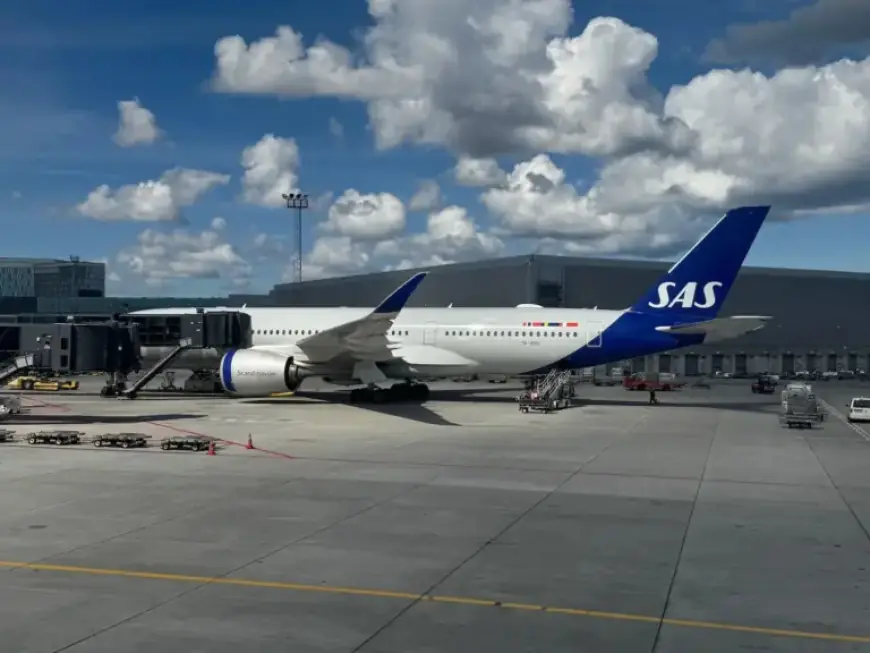
- SAS: Adjusted fares in Europe, attributing changes to high oil prices.
These developments serve as a reminder that airlines typically pass on fuel costs to passengers whenever feasible. With many airlines already making price adjustments, further increases could follow as the pressure from fuel costs continues.
U.S. Airlines Vulnerable to Price Fluctuations
U.S. airlines, in particular, find themselves in a challenging position. Many have stopped hedging against fuel price increases, leaving them exposed to sudden market fluctuations. In contrast, European carriers like Lufthansa and Ryanair have successfully hedged their fuel costs, providing some insulation against the current price spike.
Strong Travel Demand
Despite the rising costs, travel demand remains robust across many markets. This high demand gives airlines substantial pricing power. If flights are fully booked, airlines can more easily pass on increased fuel expenses to passengers without significant resistance.
Impact on Future Travel
As airlines operate with slim profit margins, fuel prices significantly influence ticket rates. This recent surge in jet fuel prices is an early indicator of possible fare increases across the industry. Travelers should anticipate that if current fuel price trends persist, higher airfares could continue throughout the year.
Consider locking in your summer travel plans sooner rather than later, as fare increases may be inevitable in response to ongoing costs. How do you think rising fuel prices will impact airfares this year?