G7 Supports Releasing Oil Reserves to Ease Middle East Supply Shortage

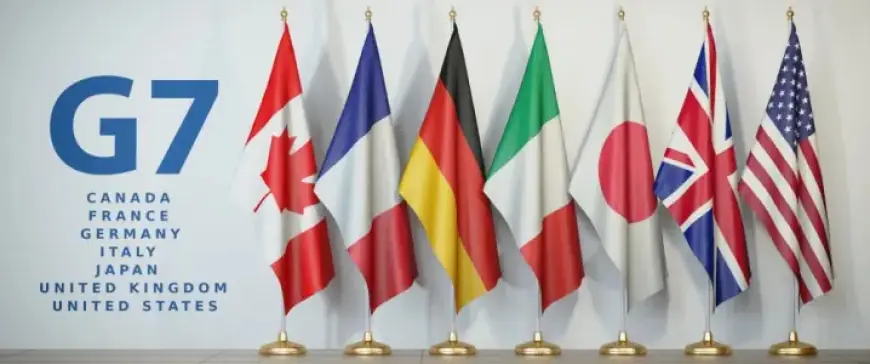
The G7, comprising the world’s leading advanced economies, has expressed support for releasing strategic petroleum reserves. This decision aims to stabilize the global oil market amid a supply crisis in the Middle East, particularly at the crucial Strait of Hormuz.
G7 Energy Ministers Take Action
During a meeting hosted by the International Energy Agency (IEA) in Paris, G7 energy ministers discussed the pressing situation. They are closely monitoring trends in the energy market and collaborating with partners to manage the impact of Middle Eastern supply disruptions.
- Strategic reserves may be utilized to ease market tensions.
- Emergency stockpiles maintained by IEA members will be a focal point for potential releases.
Emergency Stocks Overview
The IEA reports that its member countries, primarily developed economies, collectively hold over 1.2 billion barrels in public emergency oil stocks. Additionally, there are about 600 million barrels in industry inventories mandated by government obligations.
Market Response and Oil Prices
Following discussions of a significant release of emergency stocks, oil prices dropped below $90 per barrel, influenced by optimistic remarks from U.S. President Donald Trump regarding the situation in Iran. However, prices rebounded by 2% during Asian trading as uncertainties about the extent of the supply cut loom over the market.
Middle Eastern Production Cuts
Major oil producers in the Middle East have deepened their production cuts. They are currently reducing output by over 5 million barrels per day. This significant decrease is attributed to the ongoing disruption in tanker traffic through the Strait of Hormuz, impacting upstream production capabilities.
The G7’s proactive measures could play a critical role in stabilizing the oil market as they assess the ongoing situation in the Middle East. Monitoring developments closely, the group is prepared to take necessary actions to mitigate potential impacts on global oil supplies.