Alabama Governor Commutes Death Sentence for Non-Killer Inmate

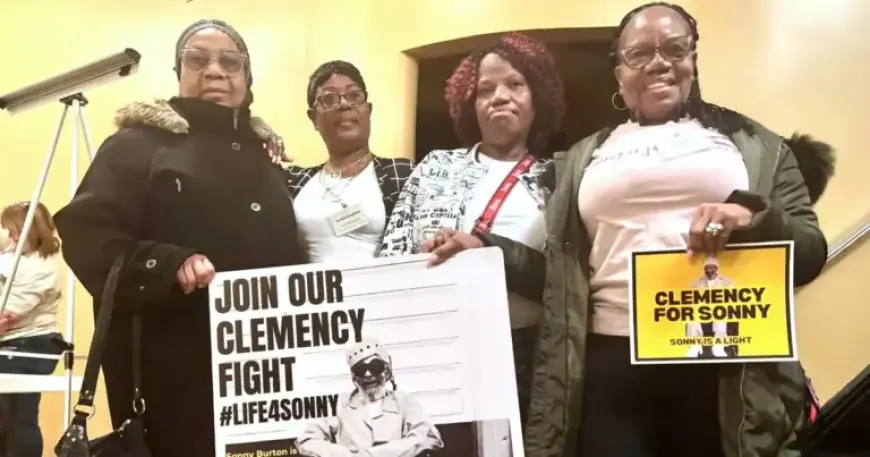
Alabama Governor Kay Ivey has commuted the death sentence of Charles “Sonny” Burton, a 75-year-old inmate who was not present during the murder he was convicted for. This decision transforms his sentence to life imprisonment without parole. Notably, this marks only the second instance of clemency granted to a death row inmate by Governor Ivey since she assumed office in 2017.
Background of the Case
Burton was sentenced to death following the 1991 robbery of an AutoZone store in Talladega, Alabama, where the shooting of Doug Battle occurred. However, Burton had already exited the store when Derrick DeBruce, the actual shooter, fired the fatal shot. DeBruce’s death sentence was later converted to life in prison upon appeal.
Governor’s Statement on Clemency
Governor Ivey has presided over 25 executions during her tenure. Despite her strong support for the death penalty as a means of justice for severe crimes, she emphasized the need for fairness in its application. Ivey stated, “I cannot proceed in good conscience with the execution of Mr. Burton under such disparate circumstances.” She expressed concern that executing Burton while not punishing the trigger-puller would be unjust.
Public Support for Commutation
Burton was scheduled for execution by nitrogen gas. Upon learning about the commutation, his legal team and supporters expressed joy. Family members and former jurors from Burton’s initial trial had been vocal in their pleas for clemency. Many argued that he was wrongly convicted, emphasizing that he was not present during the shooting.
- Battle was shot during a robbery on August 16, 1991.
- Burton was not in the store when the fatal shooting occurred.
- His supporters included multiple jurors from the trial, who later expressed regret over their verdict.
Jurors’ Reflections and Victim’s Family
Priscilla Townsend, a juror from Burton’s trial, reflected on her past decision, stating, “I did not fully understand what that meant. I do now.” Townsend noted that prosecutors depicted Burton as the ringleader, which influenced the jury’s decision significantly.
Additionally, a letter from Battle’s daughter to Governor Ivey questioned the legality of executing Burton under these circumstances, urging the governor to reconsider the approach to his sentencing.
Nationally, 27 states maintain laws allowing prosecutions for involvement in a felony leading to a death, regardless of direct participation. Alabama has executed 83 individuals since the reinstatement of the death penalty in 1976, according to the Death Penalty Information Center.