Central London Faces Major Office Space Crisis

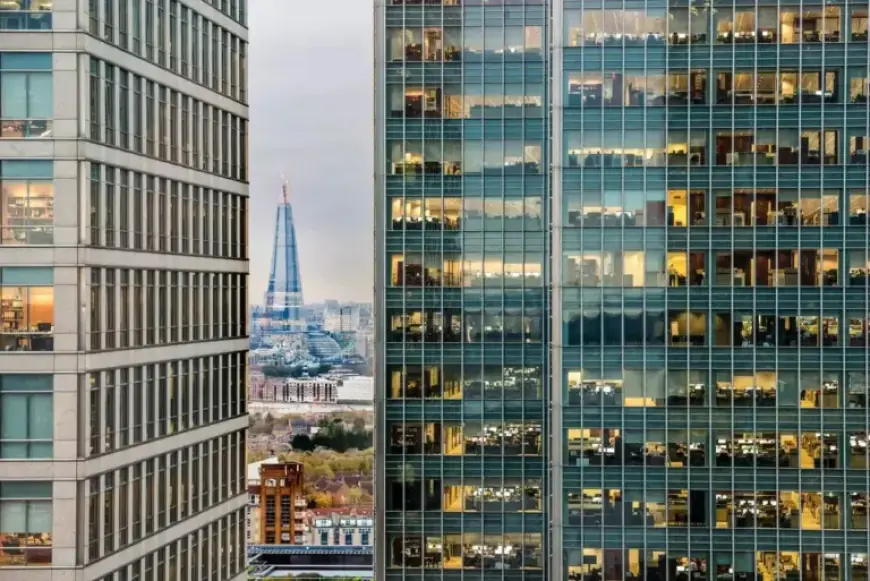
Central London is in the midst of a significant office space crisis. Following the pandemic’s upheaval, demand for office space has surged, leading to a stark shortage. Experts predict that this imbalance will worsen, creating an unprecedented situation reminiscent of the real estate boom before the global financial crisis.
Record High Rents in Central London
Recent data shows that office rents in Central London have reached alarming heights. Last week, the One Leadenhall tower achieved a record rent of £160 per square foot on its highest floor. Ripple Labs, a cryptocurrency firm, leased 90,000 square feet in this prime location, potentially paying £10 million annually for its new headquarters.
- Prime rents in the West End Core have risen by 15.6%, hitting £185 per square foot.
- City Core rents increased by 7.9%, reaching £102.50 per square foot.
Last year, 170 office leases in Central London surpassed the £100 per square foot mark, previously considered extraordinary.
Imminent Supply Constraints
Experts like James Nicholson from CBRE warn that current construction levels can only meet one and a half years of demand. The time from conception to completion of new office buildings typically spans a decade, indicating that the crisis will not resolve quickly.
Tenant Trends and Early Searches
Major firms are beginning their search for new office spaces much earlier than usual. For instance, BlackRock is seeking a new 300,000 square foot office for its workforce, initiating this process ten years before its lease expires in 2035. Similarly, Microsoft is searching for a new headquarters of 200,000 to 250,000 square feet, emphasizing the urgency faced by companies.
Factors Contributing to the Office Space Shortage
The pandemic ingrained a belief that remote work would continue indefinitely, prompting several companies to downscale their office space requirements. However, a return to office life is evident as productivity concerns grow. Employers have begun investing in office spaces that prioritize sustainability and wellness features to entice employees back.
- Flexible office solutions have become popular, as firms acknowledge the need for collaborative spaces.
- Construction costs have increased, further slowing the introduction of new office buildings.
Future Projections
According to Knight Frank, the vacancy rate for high-quality office space could drop to zero in the City by 2028 if current trends persist. This projection highlights the urgency of addressing the supply constraints presently being experienced.
The demand for office space in the City continues to rise, now employing approximately 676,000 workers, an increase of 134,000 since the pandemic.
Conclusion: The Path Forward
London’s office space crisis represents a significant challenge for businesses and developers alike. As construction struggles to keep pace with demand, companies and city planners must urgently find solutions to meet the rising need for workspace in this dynamic and evolving urban landscape.