Saudi Arabia Unveils Hormuz-Bypass Pipeline, Enhancing Oil Export Security

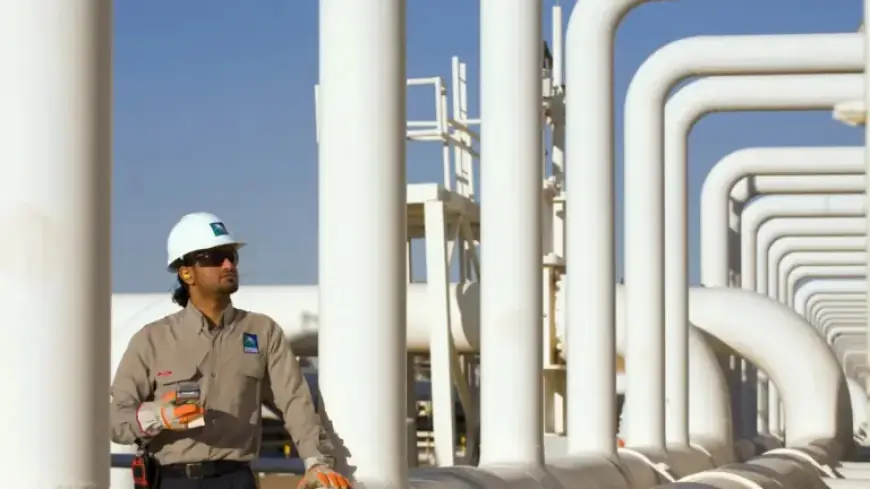
Saudi Arabia has taken significant steps to enhance its oil export security by ramping up operations on the East-West pipeline, originally constructed in the 1980s to bypass the Strait of Hormuz. With rising tensions in the region and concerns over the Iranian threat, this pipeline has become vital for transporting crude oil from the kingdom.
East-West Pipeline: A Strategic Asset
The East-West pipeline stretches approximately 750 miles from the Abqaiq oil field on the eastern coast to the port of Yanbu on the Red Sea. Originally designed to mitigate risks associated with the Strait of Hormuz, this pipeline is now critical for Saudi Arabia’s oil exports. Saudi Aramco’s CEO, Amin Nasser, announced that the pipeline is scheduled to reach its full capacity of seven million barrels per day in the coming days.
Current Geopolitical Landscape
As Iran intensifies its control over the Strait of Hormuz, Saudi Arabia’s export capabilities face significant challenges. The Strait is essential for the transit of approximately 18 million barrels of oil and four million barrels of refined products daily. Recent reports indicate that Iran has actively obstructed access to this waterway, which remains largely closed to non-Iranian vessels.
- Saudi Arabia exported 6.3 million barrels per day of crude oil in the previous year.
- The Yanbu facility has a limited export capacity of around 4.5 million barrels per day of crude.
Impact on Global Oil Markets
The current market dynamics highlight a dual crisis: there is a shortage of both crude oil and refined products. Analysts indicate that although the East-West pipeline is operational, it cannot simultaneously meet all of Aramco’s crude oil contracts and fulfill the demands for petroleum products. This limitation may exacerbate supply challenges, particularly for Europe, which has grown increasingly reliant on Gulf refineries.
Future Considerations
Experts are wary that the operational capacity of the East-West pipeline does not inherently resolve the larger issues in the oil market. The closure of the Strait of Hormuz has ramifications beyond mere supply disruptions; it presents a complex scenario for global energy stability. Economists caution that the focus on crude oil pricing may overlook critical functional shortages in vital products such as jet fuel and diesel.
- By 2026, up to 30% of Europe’s diesel imports and half of its jet fuel imports could come from the Middle East.
Saudi Arabia must balance its obligations to Asian markets, where approximately 75% of its crude oil exports are directed, with its emerging needs in the European market. The ongoing geopolitical situation adds layers of complexity, with potential threats from proxy groups like the Houthis complicating the Red Sea routes.
Conclusion
In conclusion, while the East-West pipeline is positioned as a crucial element of Saudi Arabia’s oil export strategy, the broader implications of regional conflict and changing global energy demands require careful navigation. The evolving geopolitical landscape will continue to shape the future of oil exports and energy security.