Donald Trump Israel and Iran war signals collide as Strait of Hormuz stalls

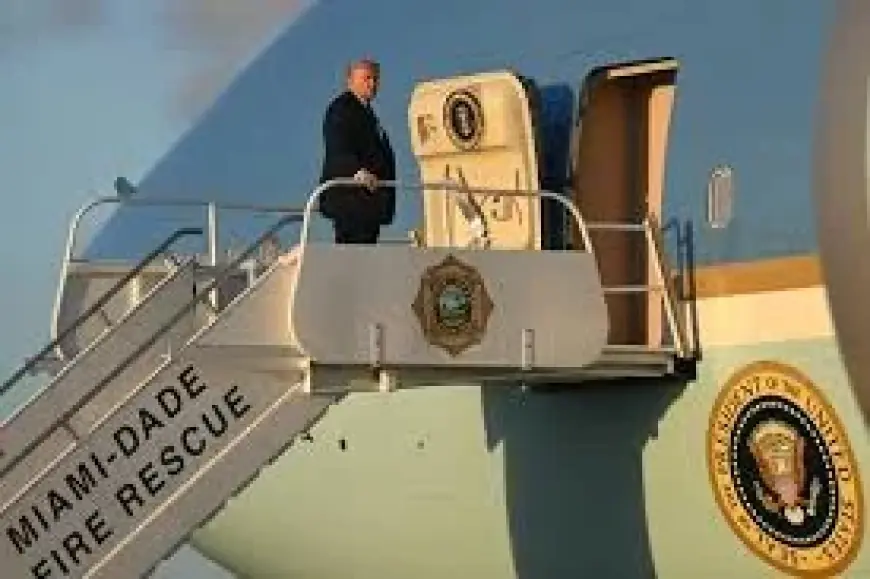
President Trump said the U. S. war with Iran could “almost be over, ” describing it as “very complete, pretty much, ” during a phone interview conducted from his Doral, Florida, golf club on March 9, 2026 at 8: 21 pm ET. The moment sharpened a central tension in the conflict’s public story: donald trump israel rhetoric points toward closure, while commercial shipping through the Strait of Hormuz has effectively ground to a halt and the Department of Defense posted the same afternoon, “We have Only Just Begun to Fight. ”
Donald Trump Israel and Doral remarks
Trump framed the war’s status as a near-finished operation, claiming Iran has “no navy, no communications, ” “no air force, ” and that its missiles are “down to a scatter” while drones are “being blown up all over the place. ” He also said, “If you look, they have nothing left. There’s nothing left in a military sense. ” The U. S. military, for its part, said it struck more than 3, 000 Iranian targets in the first week of operations, a figure that underscores the scale of action even as the president argues the end is close.
The president’s timeline matters because it sets expectations for duration and cost. Trump initially estimated the war would take about a month to complete, then said on March 9, “We’re very far ahead of schedule. ” The pattern suggests Trump is treating the endpoint as a leadership decision as much as a battlefield one, reinforced by his blunt assessment of authority over timing: “Wrapping up is all in my mind, nobody else’s. ”
Department of Defense posts on X
While Trump pointed toward an off-ramp, the Department of Defense posted two stark lines on X the same afternoon: “We have Only Just Begun to Fight” and “no mercy. ” Put alongside the president’s claim the war is nearly complete, the contrast is not about semantics; it signals competing public cues about intent and tempo. The figures point to a communications gap that can complicate how markets, allies, and adversaries interpret next steps—especially when the public is also tracking casualties.
So far, seven Americans have died in combat. Vice President JD Vance is scheduled to attend a dignified transfer later Monday for U. S. Army Sgt. Benjamin Pennington, who died of injuries suffered in a March 1 attack at Prince Sultan Air Base in Saudi Arabia. Even with Trump’s assertion that Iran’s capabilities are depleted, the deaths and the planned transfer emphasize that the conflict is still producing immediate, personal consequences for U. S. forces and families.
Strait of Hormuz, oil, and threats
The sharpest economic pressure point sits at the Strait of Hormuz. Commercial shipping through the passage—through which about 20% of the global oil supply flows—has effectively ground to a halt. Trump said the U. S. “could do a lot” about the strait and threatened Iran if it inhibits the waterway, warning, “They better not try anything cute or it’s going to be the end of that country. ” He added that the strait is open now and claimed ships have been entering it, yet he also said he is still “thinking about taking it over. ”
Oil and stocks reacted in real time to the conflict’s signals. The U. S. benchmark for crude oil dropped as much as 13. 7%, or about $13 per barrel, shortly after the interview, before rebounding somewhat a few hours later. Prices were down slightly since Friday after surging by double-digit margins earlier Monday, though they remained above pre-war levels. Major stock indices closed in positive territory Monday after spending most of the day in the red. The pattern suggests investors are trying to price two outcomes at once: Trump’s implied wrap-up and the shipping disruption that can keep energy risk elevated.
Political uncertainty in Iran added another variable. Late Sunday, Iran announced that Ayatollah Mojtaba Khamenei would replace his father as Iran’s supreme leader. Trump responded, “I have no message for him. None, whatsoever, ” and said he has “someone else in mind to lead the country. ” That statement, combined with his comments about potentially taking over the Strait of Hormuz, signals that the U. S. posture is not only about military targets but also about the shape of authority on the other side—an issue that remains unresolved in the public record of the moment.
The next confirmed milestone comes later Monday, when Vice President JD Vance is set to attend the dignified transfer for Sgt. Benjamin Pennington. If Trump’s claim that the war is “very complete” holds, the data suggests the administration will soon need to reconcile its end-of-war framing with the Defense Department’s “Only Just Begun to Fight” messaging and the still-strained reality of Hormuz shipping.
donnell trump israel