Iran War Disrupts Global Oil and Gas Supply

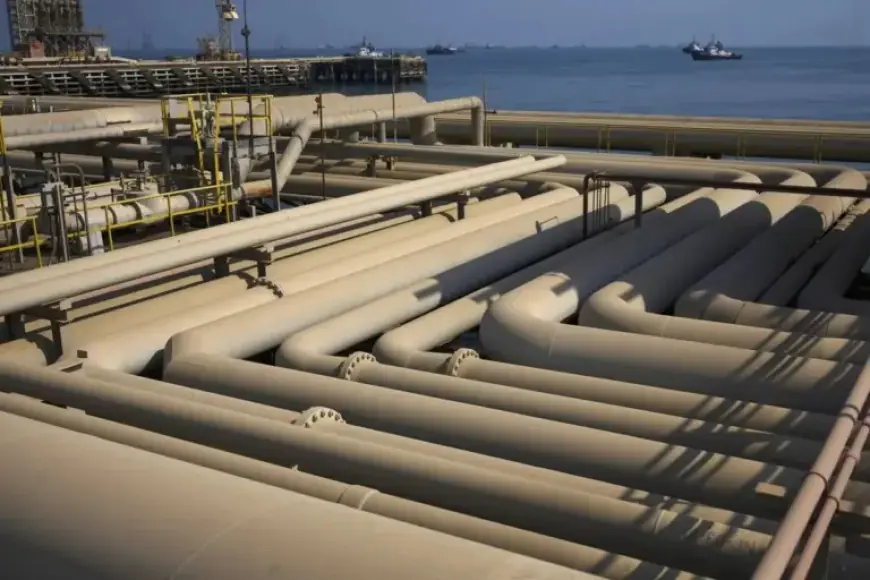
The ongoing conflict involving Iran has significantly affected global oil and gas supply chains. Disruptions in this region have led to drastic price increases for both commodities. Attacks between the US and Israel on Iranian targets have escalated tensions, provoking retaliatory strikes from Iran using missiles and drones throughout the Middle East.
Impact on Energy Infrastructure
The conflict has severely impacted critical energy infrastructures. This includes pivotal routes crucial for the transport of oil and gas, particularly the Strait of Hormuz.
Strait of Hormuz: A Critical Passage
The Strait of Hormuz is a vital shipping lane, facilitating a significant portion of global energy trade. Key statistics include:
- A quarter of the global oil trade passes through this narrow waterway.
- It handles approximately one-fifth of the global liquefied natural gas supply.
Due to the ongoing disputes, tanker traffic in the Strait has nearly halted, causing increased supply chain disruptions.
Response from Oil Producers
As the situation worsens, major oil producers, including Saudi Arabia, are adjusting their operations. They are reducing production levels as storage facilities fill up, impacting both onshore tank reserves and vessels at sea.
This reaction underscores the profound effects that geopolitical conflicts can have on global energy markets. The stability of oil and gas supplies lies in a delicate balance, easily disturbed by regional conflicts.
In summary, the ongoing Iran conflict is creating significant challenges for the global energy supply, with oil and gas prices affected and critical shipping routes disrupted.