Global Fuel Price Surge: Airlines Worldwide Increase Fares Amid Iran Conflict

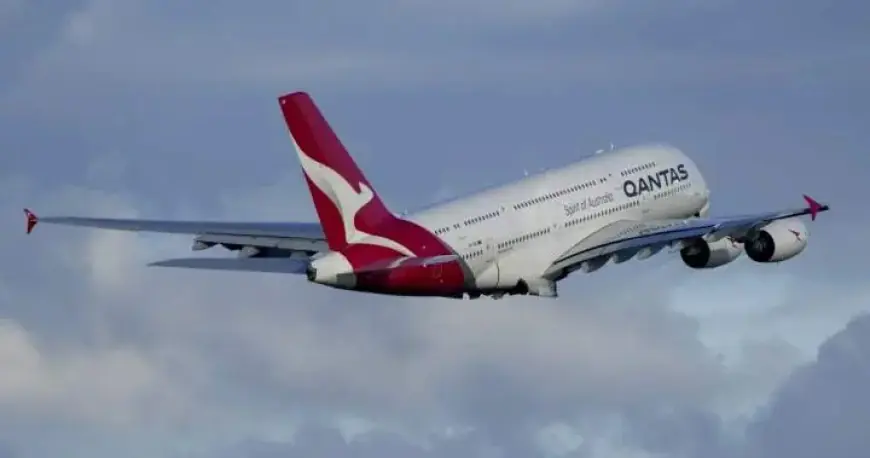
Airlines across Asia and Europe are increasing fares and implementing fuel surcharges in response to a surge in global fuel prices linked to the ongoing conflict in the Middle East. Major carriers, including Qantas Airways, SAS, and Air New Zealand, have announced price hikes as jet fuel costs escalate due to the turmoil surrounding Iran.
Impact of the Iran Conflict on Jet Fuel Prices
Before the recent escalation of conflict, jet fuel prices were approximately $85 to $90 per barrel. However, these prices have skyrocketed to between $150 and $200 per barrel, according to Air New Zealand. The airline has also suspended its financial outlook for 2026 due to this uncertainty.
Affected Airlines and Adjustments
- Qantas Airways is considering redeploying capacity to Europe.
- SAS has implemented a temporary price adjustment citing the need to maintain stable operations.
- Air New Zealand has raised fares and indicated potential further adjustments.
- Kuwait, a significant jet fuel exporter, has reported output cuts affecting supply.
Air Canada has secured hedging for a fraction of its fuel needs to manage volatility, while Finnair, having hedged over 80% of its first-quarter fuel, warned about future availability should the conflict persist.
Airspace Disruptions and Airline Responses
Recent military activity has also led to disruptions in airspace, adding to travel challenges. For instance, flights to Dubai were initially placed in a holding pattern due to concerns of a missile threat.
- Cathay Pacific plans to add flights to London and Zurich in March.
- Hong Kong Airlines announced an increase of up to 35.2% in fuel surcharges.
- Air India is gradually raising fuel surcharges on both domestic and international routes.
Despite these challenges, some European airlines, including IAG (the parent company of British Airways), remain well-hedged and do not foresee immediate fare changes.
Stock Market Reactions to Fuel Price Fluctuations
The stock market has shown mixed reactions to these developments. While oil prices fell to approximately $90 a barrel from a peak of $119, airline stocks experienced gains in Europe, rising between 3% and 8%. In contrast, major U.S. airlines like Delta and United saw their shares decline by up to 4%.
Projected Airline Industry Trends
Analysts project that rising fuel costs may slow the growth plans of airlines, enhancing their pricing power but potentially impacting profit margins. Major U.S. carriers are expected to provide revised outlooks ahead of an upcoming industry conference.
As the situation develops, airlines worldwide will continue to adjust fares and policies in response to the ongoing conflict and its influence on global fuel prices.