Ford Recalls: 83,000-plus vehicles compared across headlight and engine actions

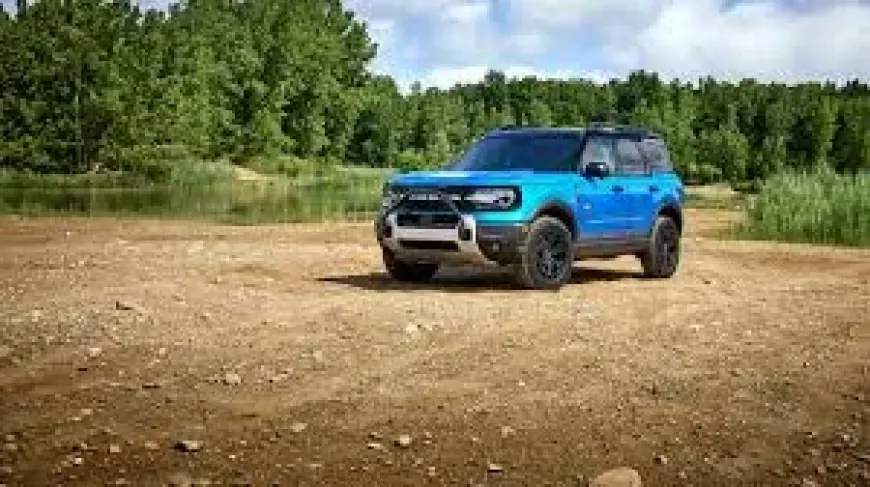
Ford recalls more than 83, 000 vehicles in two separate actions that federal regulators said could increase the risk of a crash. One recall centers on a software calibration problem tied to the 2025-2026 Explorer’s dynamic bending light feature, while the other targets an engine gas recirculation (EGR) valve condition across a wider list of 2025 vehicles. Putting the two side by side clarifies how similar safety stakes can stem from very different failure modes and remedies.
Explorer dynamic bending lights: a software calibration issue on 35, 772 SUVs
The first action affects 35, 772 model year 2025-2026 Explorer SUVs and focuses on the dynamic bending light feature, as detailed in a notice filed with the National Highway Traffic Safety Administration. The issue is an incorrect headlamp control module software calibration. That miscalibration can cause the right headlight to turn in the opposite direction of a vehicle’s turn.
The recall description explains the mismatch in directional response: on a left curve, the driver’s side bending light follows the turn, while the passenger side bends away from the curve; on a right curve, the left-hand light follows the steering wheel and bends to the right, while the right-hand light bends inward toward the left. Regulators flagged that an incorrectly turning headlight could increase glare to other drivers and increase crash risk.
Ford said it is not aware of any accidents or injuries related to the headlight issue. The planned correction is a software update to the headlight control module, available over the air or through dealerships at no charge. Owner notification letters for this action are expected to be mailed March 23.
2025 Ranger to Lincoln Corsair: 47, 804 vehicles recalled for EGR valve risk
A separate recall covers 47, 804 vehicles due to issues with the engine gas recirculation (EGR) valve. In this case, the concern is mechanical and operational: the condition could lead to a loss of motive power, most likely at low speeds. Ford said that outcome increases the risk of a crash.
This recall spans multiple nameplates and includes certain model year 2025 Ranger, Mustang, Maverick, Explorer, Escape, Bronco, and Bronco Sport vehicles, plus Lincoln Nautilus and Corsair vehicles. The affected vehicles are specified as having 1. 5-liter, 2. 0-liter, or 2. 3-liter engines.
As with the headlight action, Ford said it is not aware of any accidents, injuries, or fires related to the EGR valve condition. The context provided does not specify the repair method or a notification timeline for this second recall, beyond identifying the issue and affected models.
Ford recalls compared: same safety framing, different scope and fixes
Both actions use the same basic safety framing: regulators said each issue could increase the risk of a crash, and Ford said it is not aware of harms tied to either condition at the time described. Yet the similarities largely end there. The Explorer headlight recall is tightly concentrated on one vehicle line and one feature controlled by software calibration, with a remedy explicitly described as a software update available over the air or at dealerships.
By contrast, the EGR valve recall spreads across a broad cross-section of Ford and Lincoln vehicles, tied to multiple engine sizes and a potential loss of motive power at low speeds. That difference in scope matters when assessing how widely a recall touches owners: one is a concentrated population of 35, 772 Explorers, while the other is 47, 804 vehicles across nine Ford and Lincoln model lines.
The comparison also highlights how the underlying hazard presents to drivers and others on the road. In the Explorer case, the concern is that headlight motion could work against the intended direction of travel and create glare to other drivers. In the EGR valve case, the stated risk is reduced propulsion, most likely at low speeds, which can change how the vehicle responds in traffic and elevate crash risk from diminished power rather than visibility.
| Recall element | Explorer headlight action | EGR valve action |
|---|---|---|
| Vehicles affected | 35, 772 | 47, 804 |
| Model years named | 2025-2026 | 2025 |
| Core issue | Incorrect headlamp control module software calibration | EGR valve condition tied to loss of motive power (most likely at low speeds) |
| Safety concern described | Increased glare to other drivers; increased crash risk | Loss of motive power; increased crash risk |
| Remedy described | Software update over the air or through dealerships, no charge | Not specified in the provided context |
| Owner notification detail | Letters expected March 23 | Not specified in the provided context |
Analysis: The direct comparison suggests the more decisive operational difference is not the headline crash-risk language, which is shared, but the clarity of the pathway to resolution. The Explorer headlight action pairs a defined problem with a defined fix and a defined notification milestone, while the EGR valve action, as described here, identifies a broad affected lineup and risk without the same level of detail on remedy timing. The next confirmed checkpoint in this set of information is March 23, when Explorer owners are expected to receive notification letters; if that outreach proceeds as scheduled and the software update resolves the issue at no charge, the comparison suggests the headlight recall will close more cleanly than the EGR valve action as currently described.