FDA Rejects Trump Administration’s Push for Autism Generic Drug Approval

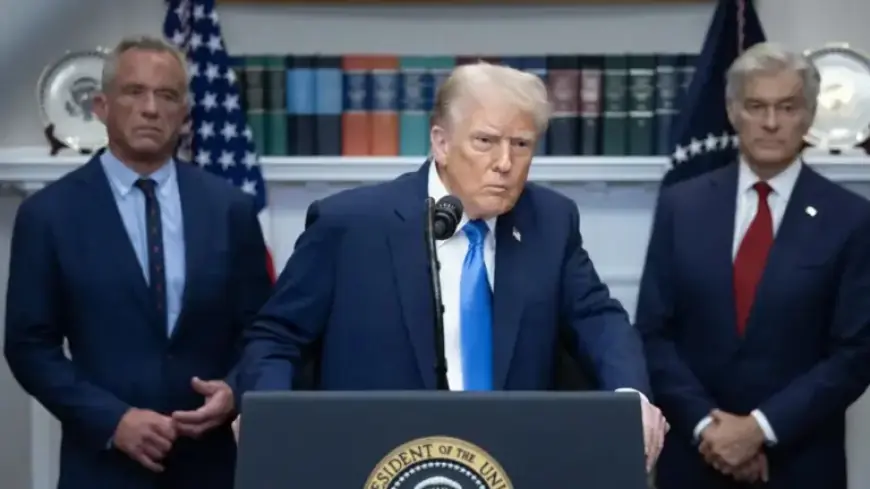
The Trump administration’s recent initiative aimed at autism treatment has encountered significant pushback from the Food and Drug Administration (FDA). In September, officials promoted the generic drug leucovorin as a potential remedy for autism. Marty Makary, FDA’s commissioner, asserted that there was compelling evidence supporting the drug’s efficiency for autistic children.
FDA’s Announcement on Leucovorin
During a White House event, Makary claimed that leucovorin could benefit between 20 to 50 percent of children with autism, suggesting that hundreds of thousands could improve. These statements led to a surge in prescriptions for leucovorin. A recent study published in The Lancet reported a 71 percent increase in new outpatient prescriptions for children aged 5 to 17 following this initiative.
FDA’s Stance
However, the FDA has clarified its position. In a formal announcement, the agency revealed it had approved leucovorin for a rare genetic condition known as cerebral folate deficiency (CFD) but refused to authorize it for autism treatment. Senior FDA officials remarked that they found insufficient evidence to support extending the drug’s use to autism.
Key Facts
- Drug: Leucovorin
- FDA Action: Approved for cerebral folate deficiency (CFD) only
- Percentage Increase in Prescriptions: 71% for ages 5 to 17
- Claims by Marty Makary: Potential benefits for 20 to 50 percent of autistic children
- Condition Addressed: Rare genetic condition due to folate receptor mutation
The disconnect between the FDA’s findings and the administration’s claims raises questions about the regulatory process and the basis for recommending treatments for autism.