RBA Rate Hike Likely Next Week; Aussie Dollar Surges

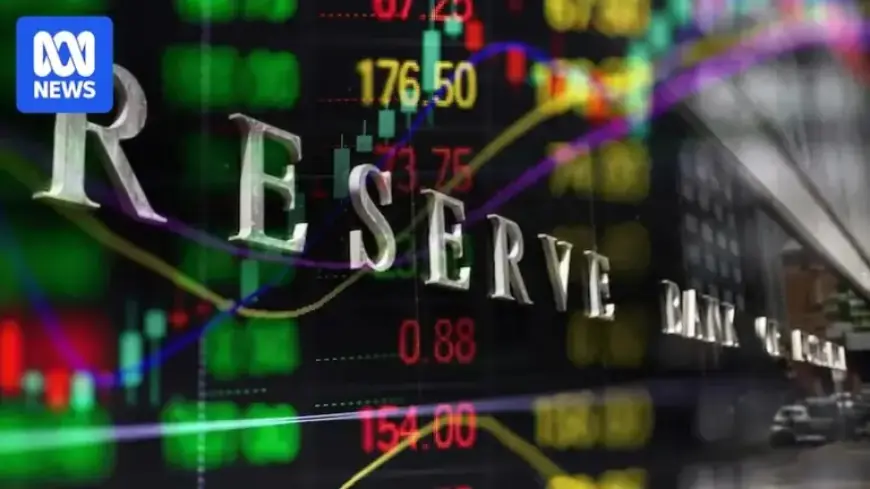
The Australian financial landscape is poised for significant changes as speculation of an interest rate hike by the Reserve Bank of Australia (RBA) intensifies. The RBA’s board is scheduled to meet on March 16-17, 2026, and projections are increasingly favoring an increase in rates due to rising inflation concerns.
Current Market Overview
As of March 10, 2026, the ASX futures are up by 0.3%, indicating a modest recovery following a substantial sell-off that lost approximately $90 billion in market value. The ASX 200 index closed the previous day at 8,693 points, reflecting a gain of 1.1%. The Australian dollar has also seen a rebound, climbing to 71.2 US cents, a 0.6% increase.
Inflation Projections and Economic Context
RBA deputy governor Andrew Hauser revealed that inflation is expected to rise above the previously forecasted 4.2% by mid-year. This adjustment reflects the impact of geopolitical tensions, particularly the ongoing war in the Middle East and the associated spikes in oil prices. Current projections suggest that inflation could exceed 5% if conditions do not stabilize.
Market Sentiment on Interest Rates
- The odds of an interest rate hike have surged to 67.5% as of the latest market data from LSEG.
- Analysts note that the RBA may consider a hike as soon as next week, with potential follow-ups in May 2026.
NAB chief economist Sally Auld suggests that the RBA will likely increase rates due to escalating inflation pressures, which have been exacerbated by soaring fuel prices. She warns that unless crude oil prices stabilize, Australians may face significant inflation rates.
Impact of Fuel Prices on Inflation
Due to recent geopolitical events, crude oil prices soared close to $120 per barrel. Although prices have stabilized to around $90.57, they remain significantly higher than the $72 benchmark observed in late February. Such fluctuations impact various economic sectors, raising costs for consumers and businesses alike.
Expert Opinions on Inflation Risks
Capital Economics has noted that inflation could rise substantially, potentially peaking between 4-6% in adverse scenarios linked to energy price increases. Historical data indicates that the RBA typically responds to rising inflation by tightening monetary policy.
Industry Reactions
With the speculation of an imminent rate hike, the Australian dollar’s rise against other currencies reflects market anticipation of more stringent monetary policies. Fuel retailers have also noted increased demand leading to temporary shortages at some stations due to panic buying.
Conclusion
The upcoming RBA meeting is crucial as it may set the course for Australia’s monetary policy in response to inflationary pressures. Investors and consumers alike should remain vigilant as these developments unfold, and be prepared for potential impacts on both economic growth and everyday expenses.