Outdated Medical Practice Undermines Women’s Respect and Dignity

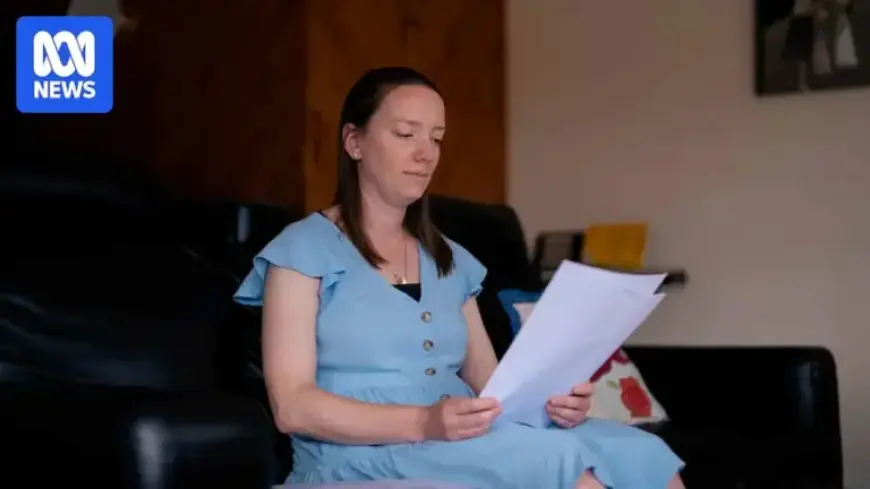
Women’s health advocates are raising concerns over outdated medical practices that undermine women’s respect and dignity, particularly regarding common procedures like dilation and curettage (D&C). This routine procedure, often performed after miscarriages, can lead to painful complications, including Asherman’s syndrome, caused by uterine scarring.
Risks Associated with D&C Procedures
D&C is frequently employed to remove pregnancy tissue but carries risks. Research shows that 1-2% of women develop Asherman’s syndrome after the procedure. Symptoms may include:
- Changes in menstruation
- Painful periods
- Difficulty conceiving
- Increased risk of infection
- Potential complications during pregnancy and delivery
Many women are unaware of these risks before agreeing to the procedure. For example, Laura Murphy and Naomi Cate, who both suffered from complications, stress the need for better communication from healthcare providers regarding potential outcomes.
Outdated Techniques in Use
Using outdated surgical tools, such as sharp curettes, has come under scrutiny. Despite modern alternatives recommended by the World Health Organization, such as suction curettes, sharp curettes remain in use:
- Sharp curettes can cause additional damage and scarring.
- Concerns arise over the lack of proper consent when such techniques are used.
- Advocates argue that the use of these tools reflects a low respect for women’s health.
Professor Thierry Vancaillie, an expert in treating Asherman’s syndrome, likens the sharp curette to a museum artifact, indicating its obsolescence in modern medical practice.
Calls for Change in Medical Standards
Advocacy groups like Asherman’s Australia, co-founded by Naomi Cate, push for updated regulations. Their goals include:
- Stricter guidelines on the use of surgical tools during D&C.
- Informed consent that adequately explains risks.
- Development of a registry for Asherman’s syndrome.
Asherman’s syndrome is becoming increasingly recognized. Professor Vancaillie noted a rise in cases, treating three to four patients weekly compared to the past where he saw that number monthly.
Need for Improved Medical Oversight
Concerns about the Therapeutic Goods Administration’s (TGA) classification of sharp curettes highlight an urgent need for oversight. The current classification does not require mandatory reporting of adverse incidents. Shadow Minister for Health Anne Ruston described the situation as “ridiculous,” emphasizing that women deserve greater protection and transparency in healthcare.
Conclusion: Prioritizing Women’s Health
The testimonies of women affected by D&C procedures underscore a pressing need to reform practices that risk their health. With a commitment to adhering to modern medical standards and ensuring informed consent, healthcare providers can better uphold the respect and dignity of women.