Uncovering the Cause of the Greek Yogurt Shortage in Supermarkets

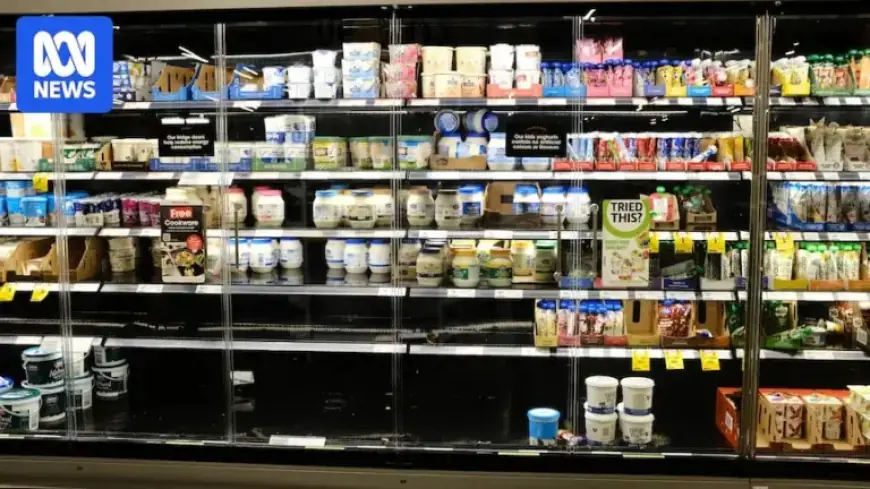
Supermarkets across Australia are currently facing a shortage of Greek yogurt, a beloved staple among consumers. This shortage has affected major retailers like Woolworths, Coles, and Aldi, particularly for popular brands such as Chobani and YoPro. The high-protein varieties of Greek yogurt, in particular, have been in short supply for several months.
Reasons Behind the Greek Yogurt Shortage
The Greek yogurt shortage can be attributed to multiple factors, notably a significant surge in consumer demand. Supermarkets have indicated that this demand is driven by the popularity of various viral recipe trends and the growing preference for high-protein foods. A spokesperson for Aldi noted that shoppers are increasingly buying Greek yogurt and cottage cheese, spurred by social media trends.
Impact of Viral Trends
- A viral recipe for a two-ingredient Japanese cheesecake has amplified interest in Greek yogurt.
- Content creators across social media platforms promoted the use of Greek yogurt as a natural and protein-rich ingredient.
Chobani representatives confirmed that they are witnessing strong demand for their Greek yogurt products, attributing this to its versatility and health benefits. Customers are drawn to products with fewer artificial ingredients, making Greek yogurt a popular choice in households.
The Supply Chain Challenge
Retailers are grappling with supply chain constraints while trying to meet consumer demands. Woolworths acknowledged that maintaining stock levels of Greek yogurt has been particularly challenging. They are working closely with suppliers to enhance the availability of yogurt products on their shelves.
Coles also reported a significant uptick in dairy product sales motivated by protein-focused recipes that have flourished on social media. The capacity of its suppliers is being tested, and the grocery chain is striving to improve supply levels to keep stores stocked.
Historical Context of Consumer Behavior Shifts
Historically, social media trends have significantly influenced consumer behavior. For instance, last year’s sudden popularity of matcha in Japan caught producers off-guard. Similarly, a previous year’s cucumber trend highlighted how quickly consumer preferences can evolve.
According to consumer behavior researcher Nitika Garg, studying the longevity of such trends is challenging. She explained that while high-protein diets are currently in vogue, future trends could pivot to other focuses such as high-fiber foods.
As retailers navigate this fluctuating landscape, they are urged to remain adaptable to changing consumer preferences and prioritize healthful dietary choices.