Harvey Weinstein: The Rikers Interview

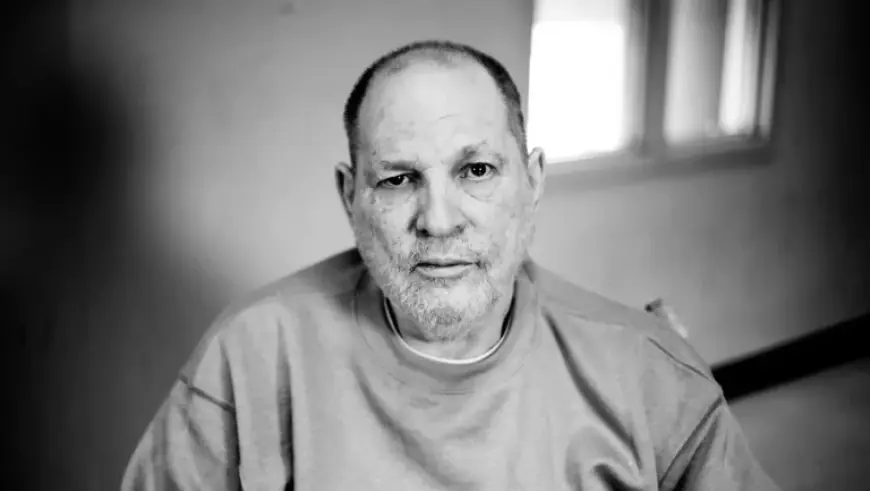
In his first major sit-down from behind bars, harvey weinstein described life at Rikers as intolerable — saying “I’m dying here” and insisting “I will be proven innocent. That I promise you. “
What Happens When Harvey Weinstein Speaks From Rikers?
The interview presents a rare on-the-record window into the day-to-day tone from a high-profile inmate who remains combative about his legal fate. He described physical frailty — hospitalization for diabetes, a heart operation, cancer and spinal stenosis that leaves him largely in a wheelchair — and explained that those infirmities place him in a medical unit, confined to his cell 23 hours a day for safety. A prison administrator’s terse message ahead of the visit read, “We’re on!”, underscoring the controlled conditions around access.
Beyond health and confinement, the subject returned repeatedly to personal grievance. He framed life at Rikers as a form of ongoing punishment — a characterization echoed in the interview’s blunt language — and claimed harm at the hands of another inmate, saying he was “hurt really badly” in one account tied to this moment. Those comments were coupled with an insistence on future vindication: “I will be proven innocent. That I promise you. “
What If This Interview Rewrites the Personal Narrative?
The conversation mixes present conditions and memory. He recounted episodes from a professional life marked by ambition and volatility: early clashes with colleagues, moments of generosity alongside episodes of crude and vindictive behavior, and a particularly fraught relationship with a former associate who later became an accuser. He described a specific encounter with Gwyneth Paltrow, saying he asked, “How about a massage?” after a meeting and that he “never put my hands on her. ” He expressed lasting resentment, stating he would “never forgive” her and that she “owes her career to me, ” framing her actions as a public betrayal after a private friendship.
The interview also included recollections of past public gestures meant to signal clout — getting access to restricted sites and delivering food to first responders — and memories of internal scrambles to protect favored collaborators. Those anecdotes underline a dual persona the subject presented: both a decisive tastemaker and a volatile figure whose behavior alienated others.
What Should Institutions and Observers Do Next?
For correctional authorities, the interview spotlights practical tensions: how to balance medical needs, safety concerns and the security protocols surrounding high-profile detainees. For legal and cultural observers, the remarks revive disputed episodes and freshen arguments about reputation, accountability and narrative control. For individuals named in the conversation, the portrayal reinforces why public statements and private recollections continue to intersect in consequential ways.
As a piece of primary-source material from behind bars, the sit-down does not resolve outstanding legal questions; it reinforces the subject’s posture of protestation and grievance, and it surfaces specific memories and allegations that will be argued over in public and legal fora. Readers should expect continued contention over both facts and interpretation, and should weigh these statements against the longer record rather than treating them as determinative.
Final note: this interview closes with the subject restating his certainty of future exoneration and a refusal to forgive a former friend, a posture that keeps attention focused on harvey weinstein