Global Oil Shakeup Sparks Worldwide Panic

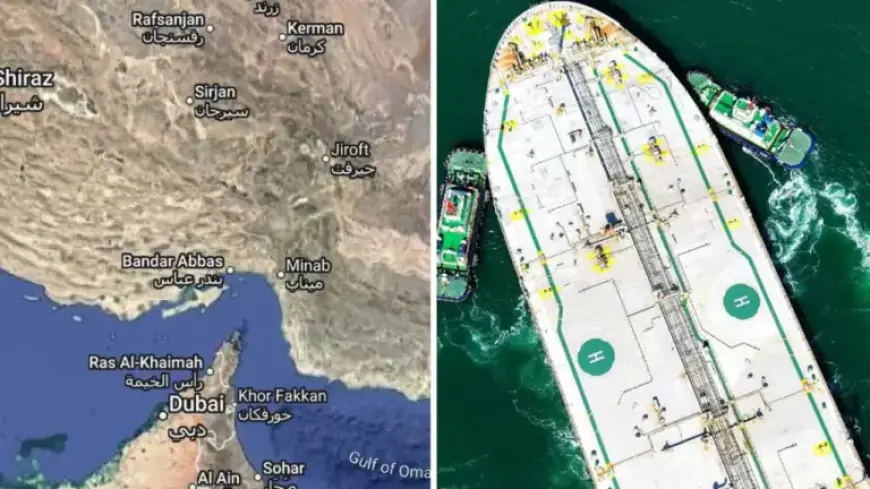
Recent tensions in the Middle East have significantly disrupted global energy markets, triggering a surge in oil prices. On Monday, oil reached an alarming high of almost $120 a barrel before experiencing a sharp decline. The chaos intensified following the onset of joint military actions by the United States and Israel against Iran, a nation pivotal to global oil supply.
Impact on Oil Prices
The Strait of Hormuz, which Iran controls, is a critical channel for approximately 20% of the world’s oil. The surge in tensions has caused analysts to predict a prolonged conflict. This scenario raises concerns about the stability of oil supplies.
Brent crude, the international oil standard, saw a staggering increase of 29%, peaking at $119.50 a barrel. However, prices later fell to around $85 following discussions of a potential G7 response.
Global Economic Response
In light of the escalating situation, finance ministers from the G7, comprising the world’s leading industrial economies, are contemplating emergency measures. One of the options on the table is the release of strategic oil reserves, a tactic that has been employed during past crises.
What Are Emergency Oil Reserves?
- Established post-1970s oil crises.
- Consist of about 1.6 billion barrels among the International Energy Agency’s 32 member countries.
- Intended for use during significant disruptions caused by conflicts or natural disasters.
The G7 may consider releasing between 300 million to 400 million barrels from these reserves. This would mark the largest coordinated release in history. Nevertheless, this amount would only equate to approximately three to four days of global demand.
Challenges in Oil Transportation
The ongoing conflict has also raised serious concerns about shipping oil through the Strait of Hormuz. There has been a notable decline in marine traffic, with only Iranian-linked vessels recently passing through.
As JPMorgan Chase analyst Natasha Kaneva highlighted, the situation is unprecedented. Historically, the Strait of Hormuz has never been closed.
Will Fuel Prices Decrease in Australia?
If the G7 proceeds with the reserve release, oil will be sold into the market over several weeks. This strategy aims to stabilize prices and reduce panic buying. Historically, similar releases have resulted in oil prices falling between $5 and $15 a barrel.
However, due to Australia’s reliance on imported fuel, changes in global prices may take one to three weeks to affect local petrol costs.
Analysts express concern that if the conflict continues, even the imminent release of reserves could merely serve as a temporary measure. Predictions suggest that prices could escalate to as high as $150 per barrel under severe conditions.