Trump Iran War End: 5 Revelations About the Strait, the Costs and the Risks

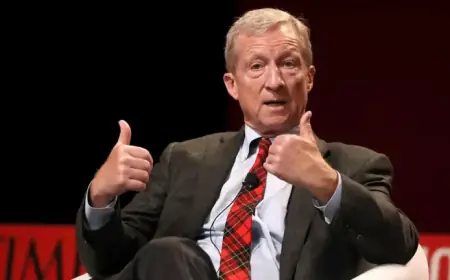
President Donald Trump declared the conflict with Iran “very complete, pretty much, ” framing a narrative that the conflict may soon finish — a claim now central to debates over a potential trump iran war end. His remarks, coupled with large-scale U. S. strikes and a halt to shipments through the Strait of Hormuz, have produced a tense mix of military assertion and market volatility that demands scrutiny.
Background & Context: Why this moment matters
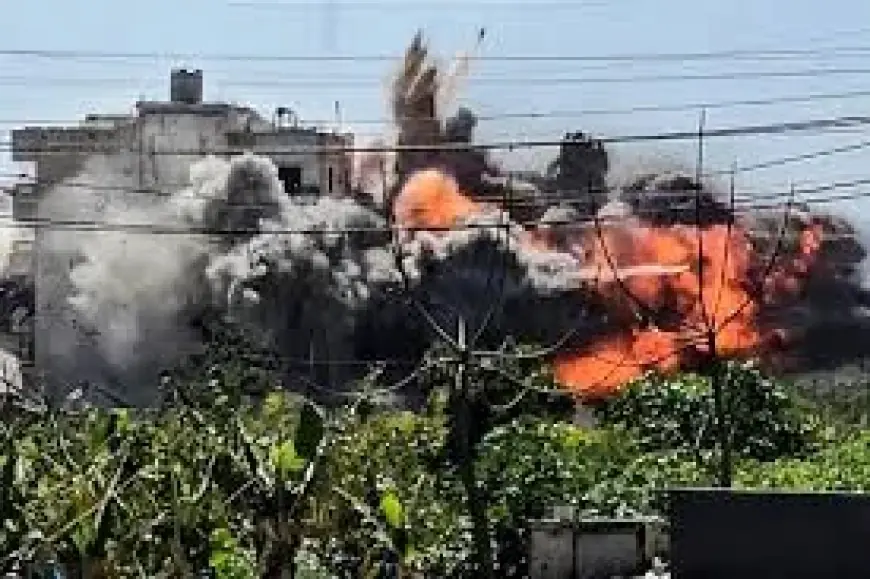
The U. S. military has said it struck more than 3, 000 Iranian targets in the first week of operations, and seven Americans have died in combat. Commercial shipping through the Strait of Hormuz, which carries about 20% of global oil supply, has effectively ground to a halt. Those facts are driving the conversation about whether a trump iran war end is imminent or merely aspirational.
President Donald Trump framed the situation bluntly: “I think the war is very complete, pretty much, ” and described Iran as stripped of key capabilities. He also issued stark warnings about any attempt to interrupt the strait, saying the U. S. could respond forcefully. The Department of Defense posted on social media phrases such as “We have Only Just Begun to Fight” and “no mercy, ” signaling an aggressive posture even as presidential rhetoric suggested an imminent conclusion.
Trump Iran War End and the Strait of Hormuz
Markets reacted strongly to the rhetoric. The U. S. benchmark for crude oil dropped as much as 13. 7%, roughly a $13-per-barrel move, after election of confidence that the president might curtail operations; earlier, prices had spiked to nearly $120 a barrel before settling back toward lower levels. The combination of physical stoppage of shipments through the strait and public statements about an approaching trump iran war end created whiplash for traders and policymakers alike.
Iran’s leadership change — the naming of Ayatollah Mojtaba Khamenei as supreme leader — and threats from Tehran to block regional oil exports if attacks continue further complicate the picture. Those threats have prompted discussions among international ministers about options such as releasing strategic reserves, illustrating how a localized military campaign can cascade into global energy policy decisions.
Deep analysis, expert perspectives and regional impact
At root are three dynamics that explain why claims of a trump iran war end are contested: the scale of strikes, the asymmetry between military messaging and operational signaling, and the economic shock of interrupted oil flows.
First, scale: more than 3, 000 targets struck in the opening phase represents a rapid kinetic campaign, but large strike counts do not automatically equate to lasting strategic control. Second, messaging: President Donald Trump, President of the United States, has offered both categorical declarations of completion and conditional statements about timing — “Wrapping up is all in my mind, nobody else’s” — creating ambiguity that allies and adversaries must interpret. Third, economic feedback: even claims of nearing an end have not neutralized the market effects of halted shipping, storage constraints, and the specter of further escalation.
Voices within government underscore the political stakes. JD Vance, Vice President of the United States, is scheduled to attend a dignified transfer for a fallen soldier, U. S. Army Sgt. Benjamin Pennington, underscoring human costs that run counter to messages of quick victory. The Department of Defense has emphasized a relentless posture in operational language, while regional leaders have signaled that any attempt to choke oil exports would trigger broader consequences.
Regionally, near-universal damage from missiles and drone strikes has been reported across the Middle East, and the effective halt of tanker movements through the Strait of Hormuz has left producers and consumers scrambling. The G7 has discussed options to mitigate supply shocks, a move that ties local military outcomes directly to global economic policy.
As leaders trade declarations and threats, the central question is whether the conditions cited by U. S. officials — damaged Iranian air and naval capabilities, degraded communications and missile stocks — are sufficient to produce a durable trump iran war end, or whether they represent a temporary inflection in a longer contest.
If the campaign truly shifts toward a rapid wind-down, markets and regional politics will respond differently than if strikes continue or Iran retaliates in ways that further disrupt shipping. Which path unfolds will depend on operational facts on the ground, political decisions in capitals, and the willingness of actors to accept a negotiated pause rather than pursue total military aims — but none of those variables can be resolved by rhetoric alone. Will the war reach the finish the president envisions, or will the disruption to the Strait of Hormuz and broader regional dynamics prolong the conflict?