New York Times Wordle: A tough March 10 puzzle leaves players weighing hints against spoilers

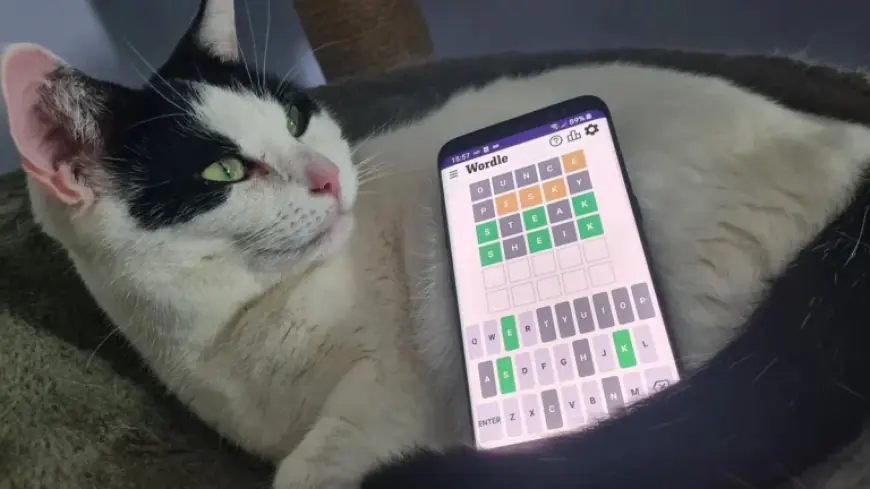
By mid-morning on March 10, new york times wordle players were pausing over the same five-letter grid, torn between the relief of a clue and the regret of seeing the answer too soon. Puzzle No. 1, 725 is described as a tough one—built around a word many people may not use often, and some might not know at all.
What do we know about New York Times Wordle #1725 on March 10?
For March 10, Wordle No. 1, 725 comes with a tight set of confirmed hints that shape the search without immediately giving away the solution.
Those hints state that today’s answer:
- Has no repeated letters
- Has two vowels
- Begins with S
- Can refer to a sandbank or sandbar that makes water shallow
That last clue pulls the puzzle out of everyday conversation and into a more specific vocabulary—one reason it is framed as difficult. For players who treat the daily game like a small ritual, the tension often sits right here: deciding whether to lean on a definition-based clue or keep hunting through trial and error.
Why some players ask for hints—and what “tough” means in practice
Wordle’s difficulty is not just about obscure letters; it can hinge on how familiar a word feels. In this case, the description emphasizes that the word is not commonly used. That matters because even experienced players can have strong instincts for everyday terms, then stall when the right answer sits outside their usual vocabulary.
One practical approach offered for moments like this is to rethink the starting word strategy by prioritizing letters that appear often in English. Examples given for starter words include TRAIN, STERN, and AUDIO. Another reminder is that letters can be used more than once—general advice that becomes essential when players build an early pattern and assume repetition is off the table.
A third piece of guidance speaks to a familiar trap: burning guesses on near-identical options. The example given is a pattern like “STA_E, ” where a player might be tempted to cycle through STARE, STATE, and STALE. Instead, the advice is to pick a guess that tests fresh letters—such as TWIRL—so each attempt yields more information rather than repeating the same structure.
In the end, new york times wordle functions like a daily negotiation between logic and restraint: how much help is enough to keep the game satisfying, and how much turns it into a reveal.
What was yesterday’s Wordle answer, and how do players share results without spoilers?
For March 9, Wordle No. 1, 724 had the answer HASTY. It is described as a word for rushing an act or decision, often used as a warning since acting too quickly can lead to mistakes or oversights.
That theme—moving fast, then second-guessing—echoes in how many people handle a hard Wordle day. The game includes a built-in way to share results in a spoiler-free format, showing only the colored grid rather than the word itself.
The sharing process is described in straightforward steps: after completing (or losing) the puzzle, wait for the statistics panel to appear, then tap the “SHARE” button. On PC, this copies the result to the clipboard for pasting elsewhere. On iPhone or Android, the “SHARE” option allows copying to clipboard or sharing directly to another app.
On a day when the word is presented as unfamiliar, that spoiler-free share becomes part of the social contract of the puzzle: a way to say “I got there” (or “I didn’t”) without pulling someone else past the point of discovery.
Image caption (alt text): A phone screen showing the daily grid as players work through New York Times Wordle.