Gulf States Reduce Oil Production by 5 Million Bpd

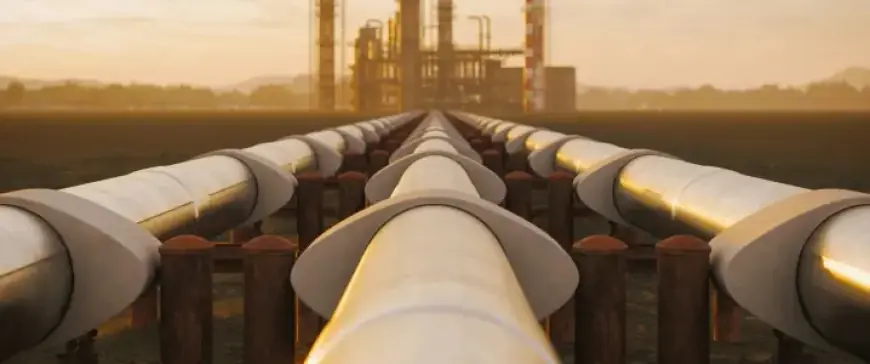
The Gulf States have responded to escalating tensions by significantly reducing oil production. This strategic decision sees the combined output cut by over 5 million barrels per day (bpd). The disruption in tanker traffic through the Strait of Hormuz is impacting oil exports, leading to this decisive action.
Significant Production Cuts Among Major Producers
Saudi Arabia, a leading oil producer in the region, has reduced its production by approximately 2 million to 2.5 million bpd. Sources familiar with the situation indicated that the Saudi oil giant, Aramco, began cutting production at two key fields. This reduction aligns with the significant blockade of crude exports through the Strait of Hormuz.
Impact on Other Gulf States
- Iraq: The second-largest producer in OPEC is trimming output by about 2.9 million bpd.
- United Arab Emirates (UAE): Current production cuts are between 500,000 bpd and 800,000 bpd.
- Kuwait: The country has also reduced its oil production by around 500,000 bpd.
These cuts come as storage facilities begin to approach full capacity, with no feasible means to transport crude out of the Gulf region.
Challenges and Future Outlook
Saudi Arabia has some ability to reroute exports through its east-west pipeline to the Red Sea. However, these volumes are notably lower than the flows that would be lost due to the closure of the Strait of Hormuz. During a fourth-quarter earnings call, Aramco CEO Amin Nasser emphasized the dire implications for the global oil market if current disruptions persist.
Market Reactions and Statements
In light of these developments, U.S. President Donald Trump attempted to allay market concerns by suggesting a resolution to the conflict was near. However, Iran has stated that it will prevent any oil exports from the region until military actions by the U.S. and Israel cease.
Oil market experts, including ING’s Warren Patterson and Ewa Manthey, suggest that the market’s stability is contingent on a restoration of oil exports through the Strait of Hormuz. Until that occurs, oil price fluctuations may continue, with potential for further price increases.