Weather Network: ‘Potentially critical’ ice storm headed to southern Quebec as freezing rain approaches

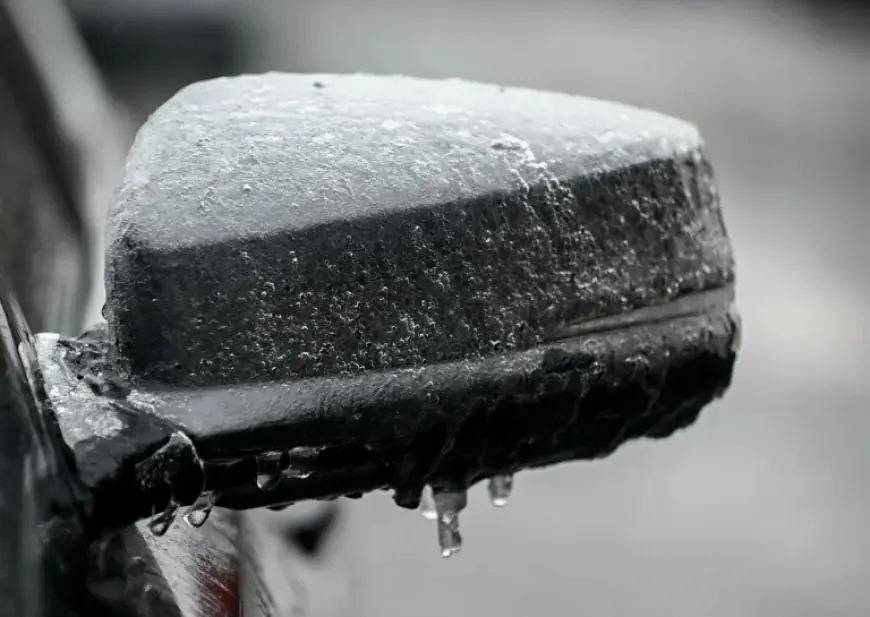
weather network: Environment Canada says a “potentially critical” ice storm is heading for southern Quebec, with forecasts in the coverage ranging from 20 to 30 millimetres of freezing rain over 24 hours and an initial headline figure noting up to 35 mm. The agency warns the accumulation of ice could paralyze transportation, increase the risk of breaking tree branches and cause prolonged power outages.
What Happens When a ‘Potentially Critical’ Ice Storm Arrives?
Environment Canada has flagged an extended period of freezing rain as the central hazard. Meteorologist Giselle Dookhie says the freezing rain is expected to start Tuesday overnight into Wednesday, and that the duration of the event—rather than isolated intensity—drives the elevated concern. The storm will hit the south of the province hardest, while all of Quebec and parts of Atlantic Canada will be affected.
The advisory notes several immediate impacts that are already central to planning and response:
- Freezing rain accumulation: forecasts cite 20 to 30 millimetres over a 24-hour period, with some headlines referencing up to 35 millimetres.
- Transportation disruption: the accumulation of ice can paralyze road and transit networks.
- Infrastructure risk: ice buildup increases the likelihood of broken tree branches and prolonged power outages.
- Compounding hazards: blowing snow and winds can slow cleanup and recovery operations.
How Does the Weather Network Shape Preparedness?
Hydro-Québec says it is monitoring the situation and will prepare over the next couple of days; that preparation reflects the central risks noted by Environment Canada and the meteorological briefing. The forecast also separates impacts by region: Lac-Saint-Jean and surrounding northern areas are expected to receive mainly snow, with amounts reaching up to 40 centimetres, while the Eastern Townships—already carrying high snowpack from a recent snowfall—face localized flooding risk as melting or runoff interacts with new precipitation.
Because the system translates east, it is expected to start affecting the Maritimes and then track up along the Quebec lower North shore. Those shifts in precipitation type and geography underline why energy operators and municipal crews are positioning resources now and why cleanup of felled trees could be slow when blowing snow and winds are present.
What Should Residents and Services Prepare For?
Authorities and residents should plan for prolonged disruption rather than a brief spike in impacts. Key practical expectations drawn from the warnings include mobility interruptions, increased risk to overhead lines and trees, and slower restoration timelines if winds and blowing snow hamper crews. Hydro-Québec’s monitoring is an early operational step that aligns with the stated risk of extended freezing rain and downstream impacts.
Uncertainty remains in the exact accumulations and timing, and forecasts cite a range of values; the contrast between 20–30 millimetres in the special weather statement and the up-to-35 mm figure in the headline illustrates that range. Where snowpack is already high, such as the Eastern Townships, localized flooding is a distinct concern. The prudent course for communities and critical services is staging resources now and treating the event as prolonged rather than short-lived—an approach that will be reflected across the weather network