Australia’s Petrol Prices Surge Amid Middle East Conflict

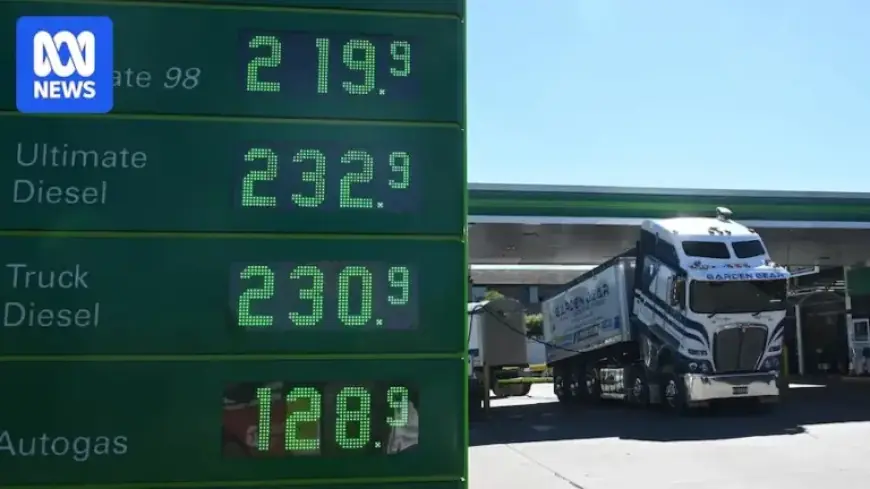
Recent events in the Middle East have contributed to a noticeable rise in petrol prices across Australia. According to the Australian Institute of Petroleum (AIP), the average price of unleaded petrol surged 17 cents over the past week, reaching 198 cents per litre by Sunday. This marks a significant increase from the previous average of 176.5 cents per litre reported over the last three months.
Impact of Middle East Conflict on Petrol Prices
The escalation of tensions following US and Israeli military action in Iran has caused major fluctuations in global oil prices. As of last week, crude oil prices soared to around $120 per barrel but have since retreated to below $100.
State-wise Price Variations
Different regions in Australia are experiencing varying price increases at the petrol pump:
- Sydney: Up nearly 30 cents per litre
- Canberra: Increase of 8.8 cents per litre
- Metropolitan areas: Average price rose by 17.1 cents, reaching 203.5 cents per litre
- Regional areas: Increased by 16.6 cents, now averaging 186.7 cents per litre
Wholesale Prices and Consumer Behavior
The wholesale cost of unleaded petrol has also seen a rise, increasing to a national average of 161.2 cents per litre, up 6.8 cents in just one week. NRMA spokesperson Peter Khoury expressed concern about these developments, noting how quickly prices surged in major cities like Sydney, Melbourne, and Brisbane.
Call for Rational Fuel Purchasing
Khoury highlighted the potential for stabilizing supply chains if consumers return to normal fuel purchasing habits. He mentioned reports of some regional service stations facing fuel shortages due to panic buying. Khoury urged motorists not to stockpile fuel, emphasizing safety concerns associated with storing excess petrol at home.
Future Price Predictions
Analysts warn that ongoing volatility in the global oil market may continue if the conflict persists. Some predictions suggest crude prices could potentially reach $150 per barrel if the situation escalates further. MST Financial’s senior energy analyst, Saul Kavonic, noted that the market is cautiously optimistic about a resumption of oil supplies in the coming weeks.
In summary, the rise in Australia’s petrol prices is primarily driven by geopolitical tensions in the Middle East, coupled with consumer behavior that could exacerbate local shortages. Staying informed and purchasing fuel responsibly is essential for motorists at this time.