Qantas Raises Fares, Cites Iran War’s Impact on Jet Fuel Costs

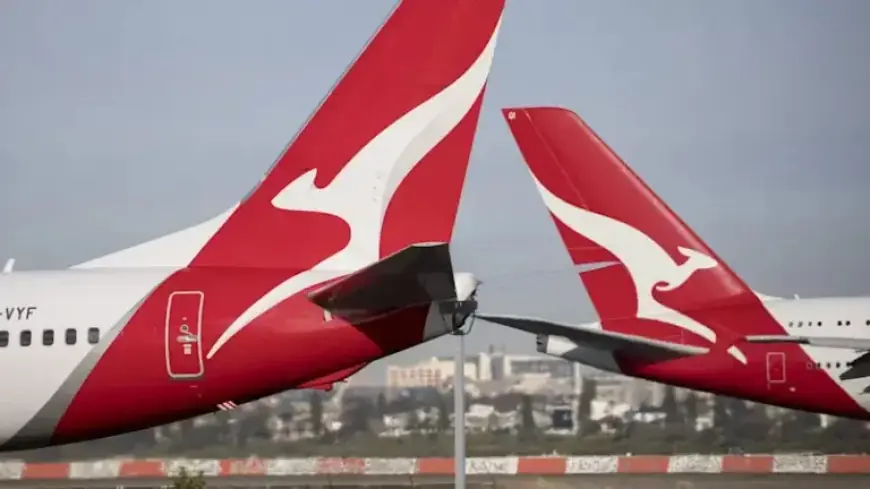
Qantas Airlines has announced an increase in international flight fares, attributing the rise to soaring jet fuel costs resulting from the ongoing conflict in the Middle East. Although the airline does not operate flights to that region, it has noted significant volatility in fuel prices that affects operations globally.
Fares Increasing Due to Fuel Price Surge
A spokesperson from Qantas revealed that jet fuel prices have spiked by up to 150% in the last two weeks. As a result, the airline will implement fare increases averaging around 5% across various routes. The surge in demand for international flights, particularly to Europe, has contributed to this decision, prompting Qantas to advise passengers to book flights early for the best prices.
Impact of Middle East Conflict
The escalation of tensions in the Middle East, particularly the closure of fuel shipments in the Strait of Hormuz, has significantly impacted fuel costs. Brent crude oil prices rose sharply, hitting a high of $119.50 per barrel before settling below $95, as geopolitical developments remain unpredictable.
- Brent crude peaked at $119.50 per barrel due to the conflict.
- Jet fuel prices have soared to between $150 and $200 per barrel.
- The global average jet fuel price rose 58.4% last week to $157.41.
Broader Industry Effects
Airlines worldwide are feeling the pressure from rising fuel costs. Air New Zealand has also raised fares, canceling its profit forecasts due to unprecedented fuel market volatility. The airline indicated that if jet fuel prices continue to rise, further adjustments to pricing and flight schedules may be necessary.
Despite these challenges, both Qantas and Virgin Australia have managed to hedge a substantial portion of their fuel contracts. Qantas has hedged 81% of its fuel for the latter half of the financial year, alleviating some immediate pressures from rising costs.
Future Considerations for Travelers
Experts predict that ticket prices will adjust according to supply and demand as airlines navigate these turbulent waters. Current pricing for flights into Europe during peak summer months remains competitive, ranging from $1,648 to $2,778 for round-trip tickets. However, this may change as fuel costs continue to affect fare pricing.
Travelers are encouraged to stay informed and consider booking flights sooner rather than later as airlines adjust to fluctuating costs influenced by international events.