Iran War Oil: From Trump’s ‘Nearly Over’ Claim to Families Facing Higher Petrol Costs

At a busy forecourt on a gray morning, drivers linger at the pump, watching prices tick up on the digital display as murmurs about the iran war oil story ripple through the queue. A notice from the AA urging motorists to “drive less to save on fuel” sits taped to the kiosk window, while shoppers calculate grocery trips and school runs with one eye on filling costs.
How is Iran War Oil affecting household fuel bills?
Direct signals from political and economic actors have fed public anxiety about petrol prices. US President Donald Trump said the Iran war is “pretty much” over and described the military campaign as a “short-term excursion” that will end soon, while also asserting that ten days of US-Israeli strikes have “obliterated Tehran’s navy, air force and communications. ” Despite those claims, market movements noted in coverage pushed crude to levels that earlier in the cycle reached past $100 a barrel and briefly leapt to $107, the highest since 2022. Those swings have translated into warnings that British households should brace for soaring costs, with fears expressed that petrol could reach £2 a litre.
Practical counsel has emerged alongside the headlines. The AA advised UK motorists to “drive less to save on fuel, ” urging behavioural changes to blunt immediate pressure on household budgets. Chancellor Rachel Reeves, speaking as the economic impacts began to bite, “vowed to help families… as the Iran war began to hit UK pockets” and said that “rapid de-escalation” is “the best way to curb inflation. “
Who is speaking and what do official voices say?
Key political figures and institutions have framed both the military narrative and domestic responses. US President Donald Trump’s declarations that the conflict is largely over have been juxtaposed with statements from US defence officials that the military is “very close to achieving its objectives. ” In the UK, Communities Secretary Steve Reed said the Government had a duty to act against record levels of hate crime against Muslims, a social consequence noted as tensions rise alongside the conflict.
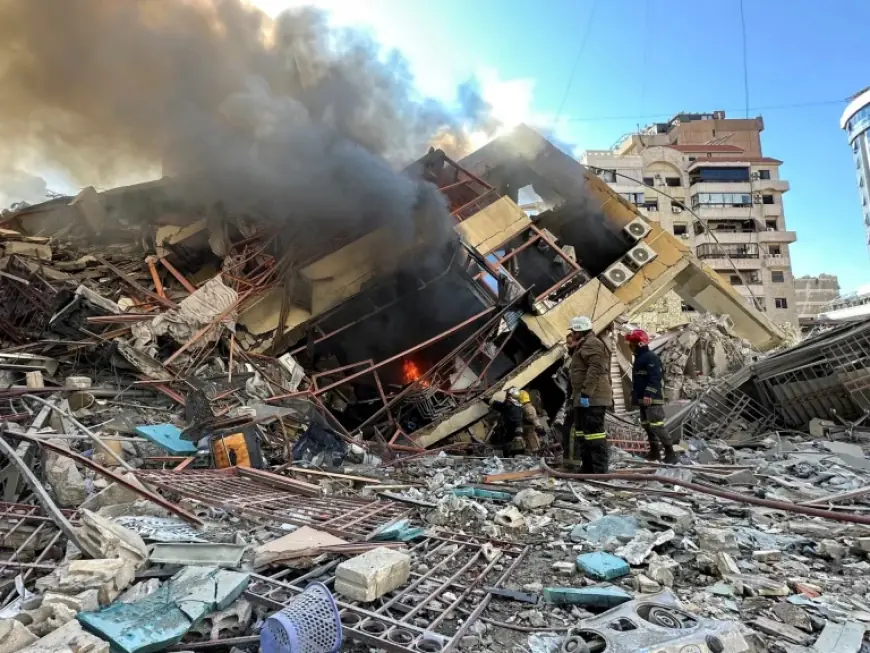
Public-health and humanitarian consequences are also being tracked. Israel’s Ministry of Health reported 191 people admitted to hospital in the past 24 hours due to the war on Iran, and 2, 339 people have been admitted since the conflict began, with 95 remaining in hospital and 11 in serious condition. Separate battlefield and strike reports include an Iranian missile attack on the central city of Yehud that killed one person and injured two, and claims that a US and Israeli air strike hit a residential building in Arak, where five people were reported killed.
While some leaders frame the campaign as approaching a close, other official actions underline that the crisis continues to affect civilians and critical systems. Energy infrastructure has been an explicit focus of recent attacks, pressuring supply expectations and prompting international financial coordination.
What is being done: releases, warnings and calls for calm?
On the economic front, finance ministers from the G7 stand ready to tap strategic oil reserves and were preparing a coordinated release as one of the largest emergency moves in history, a response aimed at tempering prices when crude surged above $100. Domestically, measures and pledges have been signalled: Chancellor Rachel Reeves committed to taking “necessary decisions” to shield families, while AA guidance asks drivers to reduce trips to ease pump pressure.
Security responses continue alongside economic ones. The UAE, Kuwait and Bahrain have reported air-defence actions and interceptions of drones and missiles tied to the wider conflict, while Israel has again ordered evacuations in southern Lebanon. Human-rights concerns have been raised about attacks on institutions and civilian objects, prompting calls from Amnesty International that some strikes should be investigated as potential war crimes.
Back at the forecourt, the immediate choices are practical and small: one fewer trip this week, a shared school run, a tighter grocery list. Yet these private adjustments sit on top of international maneuvers — reserve releases, pledges from finance ministers, hospital roll calls — that together map how a geopolitical confrontation filters down to household budgets.
As drivers finish their fill and fold their maps, the iran war oil story remains unresolved: leaders promise an end, officials prepare economic fixes, and families weigh short-term sacrifices against uncertain relief. The pump lights still glow; choices, and consequences, continue.