Brett Kavanaugh and Justice Jackson clash as Supreme Court emergency cases intensify

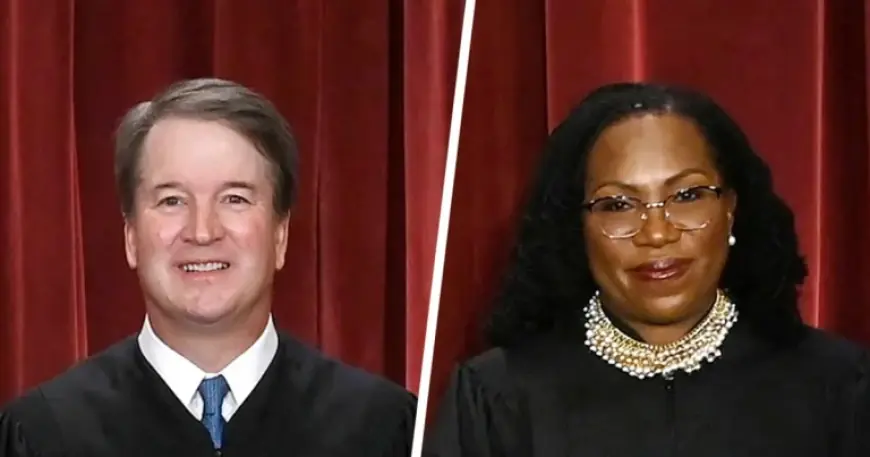
brett kavanaugh appeared publicly with Justice Ketanji Brown Jackson on Monday in Washington as the two justices sparred over how the Supreme Court has handled emergency applications tied to President Donald Trump’s agenda. The exchange brought internal divisions into the open over a process often described as the court’s “shadow docket. ”
The conversation unfolded during an event for lawyers and judges at the federal courthouse in Washington, with questions posed by Senior U. S. District Judge Paul Friedman. While the justices agreed on some broader principles, their disagreement centered on the court’s growing willingness to step in quickly—often without full briefing or oral argument—when the government seeks emergency relief from lower-court rulings.
What Happens When Brett Kavanaugh defends the court’s emergency role?
Justice Jackson, frequently a dissenter in these emergency matters, argued that the recent increase in emergency filings is being met with too-ready intervention from the Supreme Court. She suggested that if the court were more reluctant to grant such requests, the volume of filings could fall.
Jackson said the court’s approach has consequences beyond the immediate disputes. She warned that repeated early-stage interventions can shape how lower-court judges handle cases because those judges may already have a preliminary sense of how the Supreme Court might treat the dispute later. Jackson described that dynamic as producing “a warped kind of proceeding, ” and she said the trend is “not serving the court or this country well. ”
Justice Brett Kavanaugh pushed back, emphasizing that when an emergency application arrives, the court must act “one way or another. ” He framed the issue as an institutional necessity rather than a preference, noting that the court cannot simply avoid responding when the government or another litigant asks for emergency relief.
Kavanaugh also argued that the rise in government emergency applications is not unique to Trump. He said the court granted similar requests from the Biden administration as well, though at a lower rate. He added that successive administrations have increasingly leaned on executive orders because persuading Congress to enact legislation has become more difficult, and those executive actions are often challenged in court—driving more emergency requests to the Supreme Court.
What If the “shadow docket” keeps setting policy early in legal challenges?
The procedure at the heart of the dispute is often called the “shadow docket” because the court rarely hears arguments and often issues short decisions with limited explanation. Those decisions can allow policies to go into effect at an early stage in litigation, before lower courts reach final conclusions. The same cases can later return to the Supreme Court through the standard process, culminating in a final ruling on the merits.
In the last year, the court has allowed Trump, through emergency orders, to take steps that had been blocked by lower courts. The actions described included allowing Trump to fire thousands of federal workers, assert control over previously independent federal agencies, and implement aspects of his hard-line immigration policy.
The public exchange highlighted a broader debate about the court’s posture in fast-moving disputes: whether frequent emergency intervention is a necessary feature of modern governance and litigation, or whether it risks distorting normal judicial review by effectively deciding major questions before full consideration.
What Happens Next after a rare public airing of internal Supreme Court divisions?
The justices have long aired disagreements over emergency rulings through written opinions, but this event represented a rare public debate about internal court business. Kavanaugh said that “none of us enjoy this, ” referring to the shadow docket trend, and he noted that the court has responded to criticism in some cases by opting to hear oral arguments and issue longer written rulings.
Kavanaugh also stressed that the court should apply the same standards regardless of which party holds the White House, saying the justices must keep “the same position regardless of who is president. ” Jackson agreed with that sentiment.
Beyond the dispute on emergency cases, the two justices were described as largely aligned during the hourlong appearance. They expressed shared concern about an increase in violent threats.
The moment underscored a central tension for the court: emergency requests can demand swift action, yet swift action can draw criticism when decisions arrive with limited public explanation and substantial real-world impact. For now, the debate between Justice Jackson and Brett Kavanaugh signals that disagreements over the shadow docket—and over how often the court should intervene at the earliest stages of litigation—remain active inside the Supreme Court.