Iranian Missiles Mentioned as Trump Comments Shift Oil Markets and Stocks

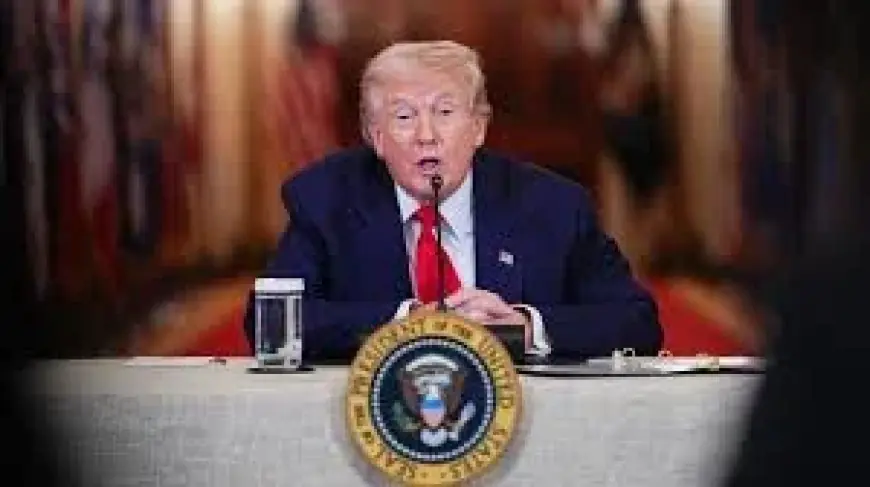
U. S. stock indexes swung positive and oil prices fell after U. S. President Donald Trump told reporters the United States military operation in Iran is “ahead of our initial timeline by a lot” and said the U. S. is waiving certain oil-related sanctions; last week the United States issued a temporary, 30-day waiver to allow sale of Russian oil stranded at sea to India. The pattern points to how sharp policy signals and short-term waivers can quickly compress market risk premia tied to headlines that include references such as Iranian Missiles.
Donald Trump’s Doral Comments and the 30-Day Waiver to India
Fact: Mr. Trump delivered the remarks at a news conference at his Doral golf club and said the U. S. could declare its military campaign against Iran a success while still planning to “go further. ” He also said the U. S. is waiving certain oil-related sanctions but was not specific; last week the U. S. issued a temporary, 30-day waiver to allow the sale of Russian crude stranded at sea to India. The data suggests those high-profile comments and the concrete policy move — the 30-day waiver — helped pull forward investor relief, because oil futures were down about 4% in post-settlement trade after one of their most volatile days ever and stocks rallied late in the session. This analysis links a named presidential statement and a precise waiver to the observed market repricing rather than to broader or unnamed causes.
Iranian Missiles in Headlines and the U. S. Strategy on Oil Supply
Fact: U. S. Energy Secretary Chris Wright said the U. S. is considering coordinating sales of oil from the Strategic Petroleum Reserve with releases from other countries as prices soared during the war on Iran. Fact: G7 nations said they were prepared to implement “necessary measures” in response to surging global oil prices but stopped short of committing to release emergency reserves. The data suggests that coordination talk and public international posture, together with the 30-day waiver allowing Russian crude sales to India, reduced the immediate price spike that had been driven by conflict headlines — including those that referenced Iranian Missiles — because multiple levers were shown as available to relieve supply stress.
Chris Wright, G7 Pressure, and the White House Review of Options
Fact: Administration officials have been discussing with counterparts from the Group of Seven major economies a possible joint release of crude oil from strategic reserves as one of several measures under discussion. Fact: U. S. President Donald Trump is expected to review as early as Monday a set of options to tame oil prices. The pattern points to a political and economic decision chain in which market-sensitive options — restricting U. S. exports, intervening in oil futures markets, waiving some federal taxes and lifting Jones Act requirements that domestic fuel move only on U. S. -flagged ships — are being considered together with diplomatic pressure on Gulf allies to restore production and shipping. The analysis here ties the near-term policy menu and the timing of a White House review to the clear objective of easing consumer and business pain ahead of the November midterm elections, because the context states the White House worries that surging oil prices will hurt U. S. businesses and consumers before those elections.
For now, the next confirmed milestone is that Mr. Trump is expected to review as early as Monday a set of options to tame oil prices. If that review results in coordinated releases from the Strategic Petroleum Reserve alongside actions such as the 30-day waiver already in place for Russian crude sales to India, the data suggests oil risk premia tied to headlines — including those mentioning Iranian Missiles and other war developments — will face renewed downward pressure.