European Gas Prices Skyrocket Amid War-Driven Supply Route Changes

Europe is currently facing a significant surge in natural gas prices, driven largely by geopolitical tensions. As of Monday, benchmark prices increased by 30% following a staggering 67% rise just the previous week. This volatility coincides with rising oil prices, which have surpassed $100 per barrel.
Current Market Overview
The Dutch TTF Natural Gas Futures for April 2026 opened 30% higher in Amsterdam. By mid-morning on Monday, prices had settled at a 16% increase, trading at approximately $70.61 per megawatt-hour (MWh). Remarkably, these prices have doubled since February 27, just before the onset of the ongoing conflict in the Middle East.
Impact of the Middle East Conflict
- European gas prices have escalated since the war began.
- Qatar halted LNG production at Ras Laffan, the world’s largest liquefaction facility.
- Force majeure notices have been issued to customers, further complicating supply.
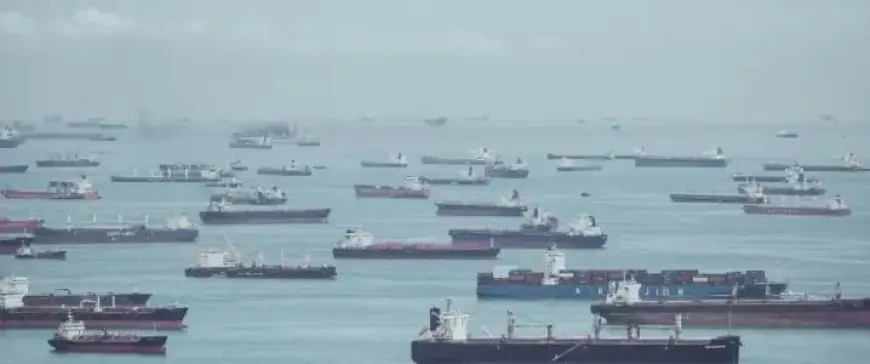
- The Strait of Hormuz, a critical pathway for 20% of global LNG, is effectively closed to tanker traffic.
The combination of these factors has created an acute supply situation for Europe. Analysts point out that Asia is now attracting most flexible-destination LNG cargoes away from Europe. As a result, many LNG shipments that were originally aimed at Europe are rerouting to Asia, largely due to increased competition.
Asia’s Dominance in LNG Supply
Approximately 85% of Qatar’s LNG exports are directed toward Asia, which exacerbates the supply crunch for Europe. Historically, Europe received about 12% of Qatari LNG, marking a stark contrast in exposure compared to Asia.
The repercussions are significant. Europe is now struggling to compete for alternative spot supply. Asian markets are commanding higher premiums on LNG prices, making it more lucrative for traders to redirect cargoes from Europe to Asia.
Conclusion
The ongoing geopolitical tensions and changes in supply routes have led to soaring gas prices in Europe. As the situation evolves, the reliance on LNG from Asia may present additional challenges for Europe’s energy security.