Oil and Gas Prices Surge Amid Escalating Iran Conflict

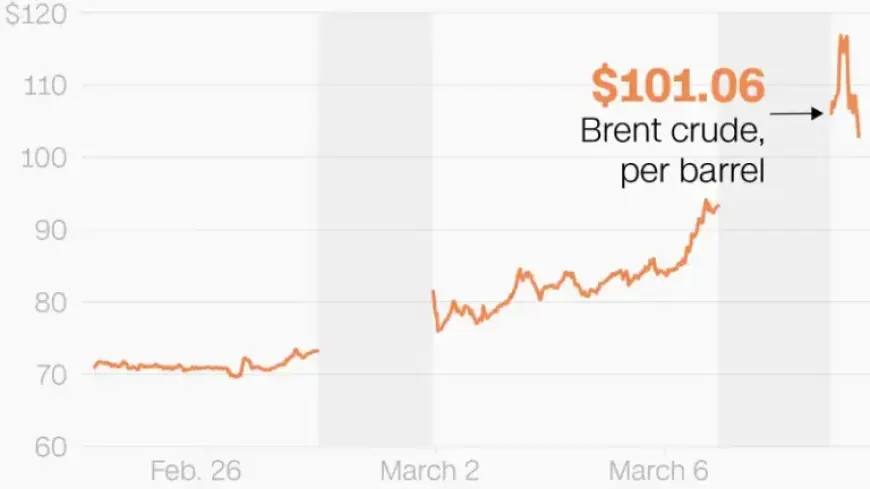
Recent developments in the ongoing conflict involving Iran have caused a notable surge in oil prices, emphasizing the unpredictability of global markets. This dramatic increase has raised concerns over affordability for consumers, especially in the United States.
Current Oil Price Surge
This week, oil prices climbed significantly, reaching levels not seen since mid-2022. The spike reflects the market’s volatility precipitated by geopolitical tensions.
Impact on Gas Prices
The AAA national average for regular gasoline has escalated, reaching heights comparable to those experienced during the Trump administration. This increase comes at a particularly challenging time for American consumers.
| State | Average Price per Gallon |
|---|---|
| California | $X.XX |
| Texas | $X.XX |
| Florida | $X.XX |
Reasons for the Price Increase
The surge in oil prices is attributed to two main factors:
- A near shutdown of the Strait of Hormuz, a vital shipping route for crude oil.
- A slowdown in oil production in the Middle East.
Iran’s control over the northern side of the Strait of Hormuz heightens the risk of supply disruptions. This strait is crucial for transporting crude oil from oil-rich countries, including Saudi Arabia and Kuwait, to global markets.
Historical Context
The last occurrence of oil trading above $100 per barrel was following Russia’s invasion of Ukraine in 2022. Oil prices peaked above this threshold in March 2022, persisting near that mark until mid-July.
As the situation in Iran unfolds, analysts predict continued fluctuations in oil prices. Consumers and businesses alike will need to navigate the challenges posed by these rising costs.