Canada’s Liquor Store Sales Decline Again, Statistics Canada Reports

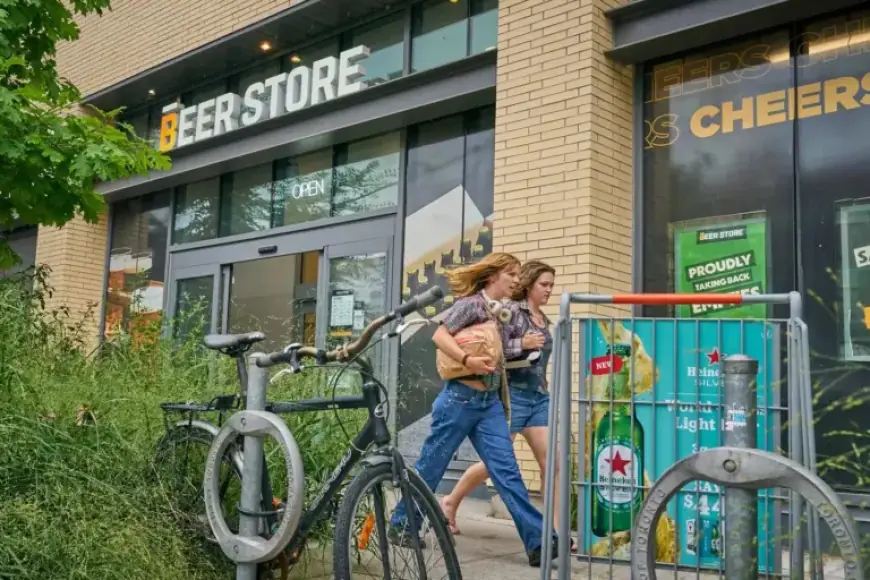
The recent decline in liquor store sales highlights a significant shift in consumer behavior in Canada. Recent statistics from Statistics Canada reveal a 1.6% drop in liquor sales products for the fiscal year 2024/2025. This trend marks the fourth consecutive year of declining sales in the alcohol sector.
Statistics Canada Reports Decline in Liquor Sales
As of March 2025, sales have continued to fall even amid a rising price environment. Prices for alcoholic beverages surged by 1.6% during the same period. In parallel, the cannabis market is thriving, with a notable increase of 6.1% or approximately $0.3 billion, bringing total cannabis sales to $5.5 billion.
Changing Attitudes Towards Alcohol Consumption
The growing awareness of the negative impacts of alcohol consumption is influencing buying patterns. Rod Phillips, a professor at Carleton University, notes that this trend is not isolated to Canada but is evident across North America and Europe. Many consumers are opting for moderation or reducing their consumption altogether.
- Increased public awareness about health risks associated with alcohol.
- Young adults are less inclined to indulge in alcohol than previous generations.
- Emergence of alcohol-free social events, such as morning dance parties.
Experts attribute this shift to a variety of factors, including health campaigns from organizations like the World Health Organization and Health Canada. These groups emphasize the need for consumers to be aware of the risks associated with alcohol use.
Historical Perspective on Alcohol Consumption
Interestingly, similar declines in alcohol consumption have occurred in history, particularly during Prohibition. Phillips points out that alcohol has often been regulated through various means, including religious prohibitions. Today’s focus on health presents a unique stance compared to previous efforts aimed at moral governance.
The implications for the alcohol industry could be significant. Experts warn that if consumption trends continue, businesses may face critical challenges. Just as societies have adapted to reduced tobacco and asbestos industries, consumers could similarly reevaluate alcohol as a discretionary product.
This evolving narrative surrounding alcohol consumption highlights a broader cultural change. As more individuals prioritize health and wellness, the liquor industry may need to adjust to remain relevant.