Global Stocks Plunge as Oil Surges to $100 Per Barrel

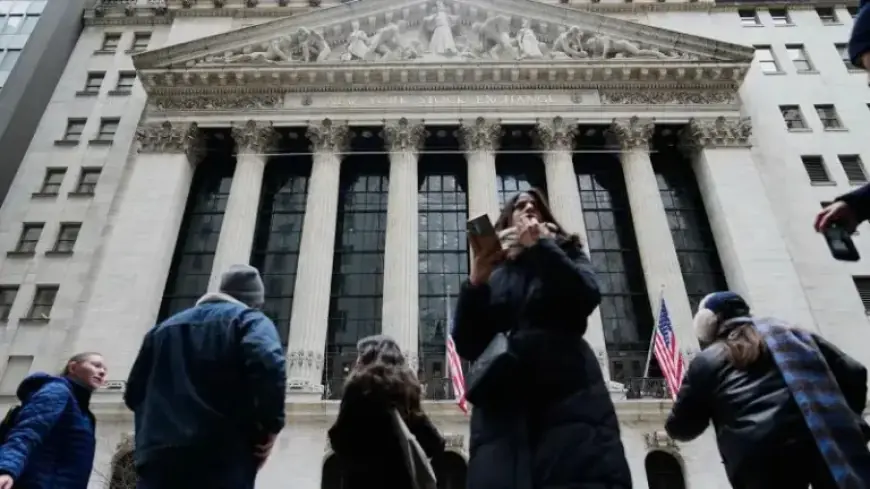
Global stocks experienced a significant downturn as oil prices surged past $100 per barrel, driven by heightened tensions in the Middle East and concerns over an impending energy crisis.
Market Declines Amid Rising Oil Prices
On Monday, the Dow Jones Industrial Average fell by 820 points, equating to a 1.73% decrease. The S&P 500 saw a decline of 1.45% and the Nasdaq Composite decreased by 1.3%. These declines follow the worst weekly performances for the Dow and S&P since October and April, respectively.
Impact of the Iran War
Investor anxiety is primarily linked to ongoing conflicts related to Iran, which threaten to disrupt global oil supplies. The war’s escalation has rekindled fears of inflation at a time when the U.S. labor market appears unstable. Oil prices hit the highest levels since mid-2022; U.S. crude surged 14% to $104 per barrel, while Brent crude rose 13% to $105.
Production Halts Intensify Concerns
Further complicating the situation, oil producers in the Gulf, including Bahrain’s national oil company, declared force majeure and announced production halts over the weekend. This intensification of an energy crisis is causing investors to react strongly in the stock market.
Oil Prices Spike and Market Responses
Oil prices initially climbed to nearly $120 per barrel after opening but then stabilized as reports surfaced about G7 finance ministers discussing potential strategic oil reserve releases. Despite a pullback, prices remained significantly above $100 per barrel, which is contributing to a bleak outlook for global stocks.
- U.S. crude oil: $104 per barrel (14% rise)
- Brent crude: $105 per barrel (13% rise)
Global Indexes React
Japan’s Nikkei 225 index fell by 5.2% on Monday, marking a more than 10% decline for the month, yet it retains a 5% increase for the year. Europe’s Stoxx 600 index was down 1.76%, falling into negative territory for the year after experiencing a drop of over 5% last week.
Investor Sentiment and Market Predictions
With fear dominating the market, analysts suggest that no one can accurately predict whether the current crisis will lead to a mere pullback, a more profound correction, or even a bear market. Sam Stovall, chief investment strategist at CFRA Research, noted that investors are responding to an escalating conflict.
Strait of Hormuz: A Critical Factor
The Strait of Hormuz remains central to global oil supply, with 20% of the world’s oil traversing this vital waterway. Ed Yardeni of Yardeni Research emphasized that the market turmoil will persist until safe passage through the Strait is assured, warning of a potential 1970s-style stagflation scenario.
Financial Indicators
Amid these turbulent times, the Treasury yields have also risen. The 10-year Treasury yield reached 4.17%, the highest in almost a month. The U.S. dollar index increased by 0.2%, aligning with strong gains from the previous week. Wall Street’s VIX, a measure of market volatility, spiked by 7%, indicating heightened market unease.
Current market sentiment leans heavily towards fear, contributing to significant fluctuations across various financial indices. This developing situation will continue to be monitored as it unfolds.